Regional Container Transportation: When Drayage Goes Beyond the Local Market
A practical guide to regional container transportation for shippers and logistics teams: how regional container drayage differs from local port moves, when longer container moves make sense, and how availability, chassis, receiver timing, and empty return change as distance grows.
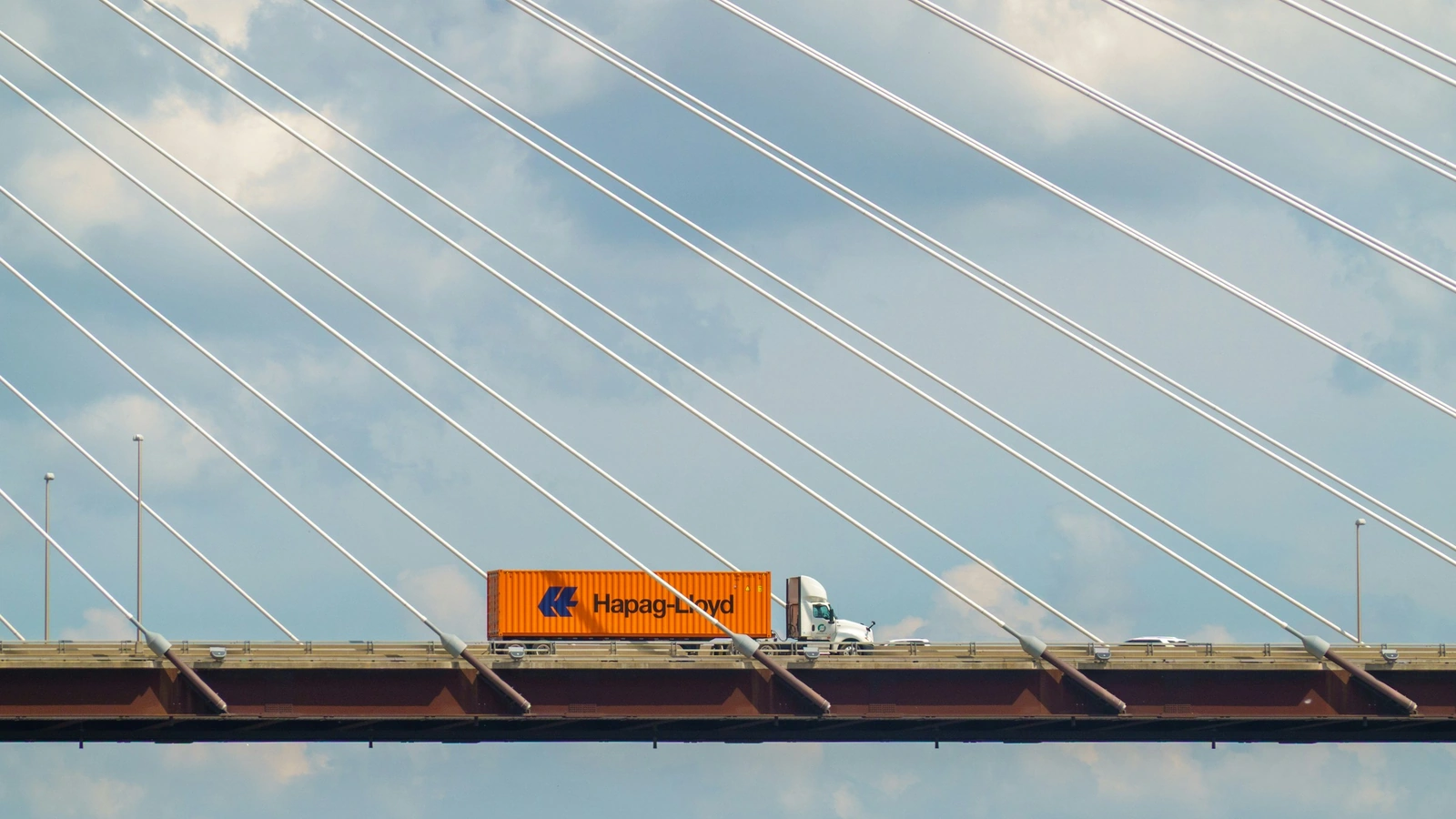
Container drayage is often described as a short move between a port and a nearby warehouse, but not every container is destined for a facility close to the terminal. Plenty of import and export containers have to move well beyond the immediate port market, and those moves can still be handled as coordinated container transportation when the equipment, route, timing, and return plan make commercial and operational sense.
This guide explains when a drayage move extends into regional container transportation, and what changes as distance grows, for importers, exporters, manufacturers, distributors, retailers, food and beverage companies, freight forwarders, NVOCCs, customs brokers, and logistics teams. It covers how regional container drayage differs from a short local pull, when a longer container move makes sense, and how availability, chassis, receiver timing, empty return, and equipment planning shift when the delivery is farther from the terminal. If you want the general drayage sequence first, it is in Container Drayage Explained.
Regional is deliberately not defined here by one exact mileage number, because market definitions vary and readers use "long-haul" to mean different things. What matters operationally is not a line on a map but whether the full container cycle can be planned and executed as one coordinated move.
Regional container transportation is a core part of the Spartanus Cargo Systems operating model. Across every active terminal market it serves, Spartanus handles regional container freight at high volume for both import and export customers, including moves that extend well beyond the immediate port market. The exact lanes and service radius vary by terminal, equipment, timing, and shipment requirements, so a customer with a specific origin or destination should contact our team for current coverage rather than assume it from a map.
Local Drayage vs. Regional Container Transportation
Local drayage and regional container transportation are both container transportation; the difference is how much of the operating day the move consumes and how much coordination it takes. Local drayage is not the less important of the two, it is simply the shorter cycle.
Local drayage generally involves:
- Port or rail pickup
- A nearby delivery
- A shorter equipment cycle
- A relatively quick empty return
Regional container transportation may involve:
- A longer delivery distance
- Cross-state movement
- A longer chassis and container cycle
- More driver-hours planning
- More receiver coordination
- More careful empty-return planning
- More exposure to tolls, route restrictions, weather, congestion, and timing variables
The word "generally" matters, because there is no single universal mileage cutoff that turns a local move into a regional one.
What Makes a Regional Container Move Different?
The core difference is that distance magnifies small planning errors. A local delay of thirty to sixty minutes may be recoverable inside the same day. On a longer move, a missed receiver window, a late terminal release, an equipment problem, or a return restriction can affect an entire operating day, and sometimes the day after it.
That is why more variables have to be planned up front on a regional container drayage move, including:
- Driver hours
- Terminal timing
- Receiver timing
- The equipment cycle
- Return instructions
- The route itself
- Tolls
- Weather and traffic
- Overnight or multi-day timing where applicable
None of that means a longer move is riskier by nature; it means the plan has to account for more moving parts, because there is less slack to absorb a surprise.
When Regional Container Transportation Makes Sense
A regional container move is a commercial and operational decision, not a default. It can make sense when, for example:
- The consignee is far from the marine terminal
- Direct container delivery avoids a transload
- The cargo should remain sealed in the ocean container
- The customer prefers one coordinated container move rather than a handoff
- Recurring volume supports a consistent lane
- Refrigerated cargo benefits from staying in the reefer container
- Transload alternatives are not commercially or operationally attractive
Direct container movement is not automatically cheaper than transloading, and not every long container move should travel over the road. Whether a regional container move makes sense depends on the lane economics, the equipment, the free time, receiver timing, the empty return, and the carrier requirements, weighed together for the specific shipment.
Container Availability and the Last Free Day
Longer distances make timing more important, because the delivery often cannot be completed immediately after pickup. When the receiver is hours away, the gap between when a container becomes available and when it can actually be delivered is wider, and that gap has to be planned around timing clocks rather than ignored.
Availability, release, the last free day, appointment timing, and whether a pre-pull or staging is needed all feed into a regional plan. Free-time periods are not universal and vary by terminal, carrier, and agreement, so they are confirmed for the specific move; how the clocks interact is covered in Demurrage, Detention, Free Time & Storage Explained.
Chassis and Equipment Planning Over Longer Distances
A chassis committed to a regional move is tied up longer than on a short local pull, which affects how equipment is planned and how much of it is in play for a given lane. Equipment availability, chassis-provider requirements, specialized chassis, reefer gensets, and overweight configurations all have to be considered before the move, along with how and where the equipment is returned.
None of this can be assumed. Equipment and chassis availability are reviewed for the specific lane and timing rather than guaranteed in advance.
Receiver Schedules and Delivery Timing
Because a regional move takes longer to reach the receiver, the receiver appointment has to be realistic for the travel time, not just for the distance on paper. Warehouse hours matter, and whether the delivery is a live unload or a drop changes the equipment cycle significantly.
A delay at the receiver on a regional lane does not just push the unload; it affects the return timing behind it. Overnight or next-day return may sometimes be part of the plan, and same-day delivery or same-day return cannot be assumed. Setting a workable appointment is part of planning the move, not an afterthought.
Empty Return Becomes More Important with Distance
This is where regional container transportation is most often underestimated. The commercial move is not simply:
PORT → RECEIVER
It is:
PORT → RECEIVER → EMPTY RETURN / EQUIPMENT RETURN
On a regional container drayage move, the return leg can be a major portion of the total operating plan, sometimes as significant as the loaded leg. Ocean-carrier return instructions, the return location, changing return acceptance, empty-return timing, and chassis return all have to be planned as part of the move rather than handled once the container is empty.
Treating the return as an equal part of the cycle is what keeps a regional move clean; the same principle, at a shorter scale, is covered in Container Drayage Explained.
One-Way Loaded Miles vs. the Full Container Cycle
Planning or quoting only the loaded distance can misrepresent the true transportation requirement, because the loaded leg is only one part of the cycle. The full cycle may include:
- Tractor positioning
- Terminal pickup
- Loaded delivery
- Empty repositioning
- Empty return
- Chassis and equipment return
This is why a regional container rate can differ from a standard dry-van linehaul rate even when the highway mileage looks similar: a container move carries terminal timing, chassis, empty-return, and equipment-cycle requirements that a one-way dry-van trip does not. The point is not a pricing formula but a planning reality, that the whole cycle, not the loaded miles alone, defines the work. General pricing context is on the rates page.
Planning a regional container lane?
Send Spartanus Cargo Systems the terminal, container size, delivery location, commodity, equipment requirements, last free day or cutoff, timing, and expected volume so our team can review the complete container cycle and available capacity.
Request a QuotePre-Pulls, Staging, and Yard Strategy
Staging can help on a regional lane when the container is available before the receiver is ready, when there is last-free-day pressure, when driver timing does not line up with the terminal, when the receiver appointment is the next day, or when a regional delivery simply cannot begin within a workable window on the day the container is released.
Staging is not free, though, and it comes with its own requirements:
- Staging adds cost
- Yard and equipment capacity matter
- Reefer containers need appropriate power while staged
- Hazmat acceptance at the yard must be confirmed
- Overweight handling requires appropriate equipment
- A pre-pull does not automatically eliminate detention or other clocks
Used deliberately, staging is a tool for protecting timing on a longer move; it changes where the container sits, not what applies to it.
Refrigerated Regional Container Transportation
On a refrigerated regional move, the reefer container stays powered appropriately during the road move, and the genset and chassis configuration matter more as distance grows. Receiver timing matters, and the longer lane raises the importance of fuel, power, and equipment planning so the container is supported for the full trip.
The temperature setpoint comes from the responsible cargo and equipment parties, not from the drayage provider; Spartanus Cargo Systems coordinates the transportation of the reefer container and does not monitor or control cargo temperature beyond that coordination. The reefer-specific considerations are covered in the refrigerated container drayage guide.
Overweight Regional Container Transportation
Distance increases the importance of route legality on an overweight container move, because a longer lane can cross more jurisdictions, and requirements can change as it does. Permits, routes, and equipment need review, and toll roads, bridges, or local restrictions may affect the route between the endpoints even when the endpoints themselves are straightforward.
There are no universal weight or permit rules to apply here; the specifics are reviewed for the actual commodity and lane. The weight-specific considerations are covered in the overweight container drayage guide.
Hazmat Regional Container Transportation
A hazmat container on a regional lane may cross multiple jurisdictions, so routing, driver, carrier, terminal, and receiver requirements all have to be reviewed for the move. As with any hazmat freight, hazardous materials must be disclosed before the rate and dispatch stage so qualified capacity can be identified rather than assumed.
This stays high-level by design; the operational details are covered in Hazmat Container Drayage: What Shippers Need to Know.
Import Regional Container Planning
An import regional move follows the standard import sequence, with the distance factored into each step:
- Confirm container availability
- Confirm releases and holds
- Confirm the last free day
- Confirm equipment
- Confirm the receiver appointment
- Determine whether a pre-pull is needed
- Plan the regional route
- Execute the delivery
- Unload or drop
- Empty return
- Closeout
The general step-by-step is in the import container drayage checklist; on a regional lane, the timing between availability and delivery is planned rather than assumed.
Export Regional Container Planning
Regional export container transportation is a specialized part of the Spartanus Cargo Systems operation. Export freight creates a different container cycle from imports because the equipment often has to move from the terminal or an equipment location to the shipper, be loaded, and then travel regionally back to the marine terminal before the carrier cutoff. That reversal, empty out to origin, loaded back to the port, is what makes regional export container transportation its own discipline rather than a mirror image of an import move.
Empty equipment and container positioning. The move starts before there is any cargo on board. The correct empty container and equipment have to be sourced for the booking, and that equipment may need to travel regionally to reach the shipper. Chassis and equipment compatibility with the container and commodity matters, and reefer export containers add genset and power considerations while the empty is positioned and staged. On a regional export lane, positioning the empty can itself be a meaningful leg of the cycle rather than a quick repositioning near the terminal.
Shipper and origin coordination. Because the container is loaded away from the port, origin coordination drives the timing of everything downstream. That generally includes the loading appointment and loading window, the commodity, the container type, the gross weight, any reefer requirements, and any hazmat or overweight requirements where applicable. A misalignment at origin, a late appointment, an unexpected weight, an undisclosed reefer or hazmat requirement, does not stay at origin on a regional lane; it propagates into the return leg and the cutoff.
Return to the port. After loading, the loaded container may travel a significant regional distance back to the marine terminal, and that leg has to land inside the carrier cutoff and the terminal receiving window. Road timing is planned backward from the cutoff rather than forward from loading, so the loading appointment, the transit time, and any tolls, route restrictions, or congestion all have to leave margin. Longer export lanes need more lead time precisely because an origin delay can put the port return at risk.
The full regional export equipment cycle can look like:
terminal or equipment location → empty container positioning → shipper → loading → regional loaded movement → marine terminal → equipment and chassis closeout where applicable
That is why a regional export container should be planned as a complete container cycle rather than treated like a standard one-way truckload: the loaded miles back to the port are only one leg of a move that also includes sourcing, positioning, loading, the return, and equipment closeout. Terminal receiving and cutoff rules are set by the terminal and carrier and are confirmed for the booking rather than assumed. Market-specific terminal context is covered in the Port Newark and Port Elizabeth, Philadelphia, and Savannah guides.
Regional Export Container Specialization
Spartanus Cargo Systems specializes in coordinating regional export container transportation in the terminal markets it serves. Depending on the market, equipment, and shipment requirements, that may include:
- Recurring export programs
- Regional empty-container positioning to origin
- Loaded export moves back to marine terminals
- Refrigerated export containers, with the associated genset and power planning
- Overweight export containers where operationally and legally appropriate
- Hazmat export containers where the applicable requirements are met
- Dedicated or recurring export capacity for qualifying programs
Equipment and capacity are reviewed for the specific lane and timing rather than guaranteed in advance, and Spartanus does not claim to handle every export commodity, terminal, lane, or equipment configuration by default. Each export program is reviewed on its own terms.
Our regional export network extends beyond the locations listed on the website. If you have an export origin and need to know whether Spartanus can support the container movement back to the terminal, send us the pickup city and state or ZIP code, the terminal, the container type, the commodity, the weight, the cutoff, and the expected volume. Our team can confirm current market coverage and available capacity, or review a recurring program through request capacity.
Spartanus Regional Container Coverage
Spartanus Cargo Systems is structured to support regional container freight across every active terminal market in its network, not only short-haul deliveries around the port. That includes recurring import and export container movements, refrigerated containers, and specialized freight where the applicable equipment and operating requirements can be met.
Regional coverage extends beyond the immediate port area, and some lanes operate hundreds of miles from the terminal. The exact destinations and service areas depend on the market, the equipment, the shipment requirements, the timing, and the available capacity, so they are confirmed per move rather than fixed by a published radius. Not every active lane needs to be listed on the website, and the absence of a city or state from any page does not mean it cannot be covered.
The most reliable way to find out is to ask. Have a regional destination that is not listed on the website? Send us the terminal, the city and state or ZIP code, the container type, the commodity, the timing, and the expected volume, and our team can confirm current regional coverage and available capacity. This applies to a specific terminal-to-city, terminal-to-state, or terminal-to-ZIP lane, and to import and export freight alike.
Dedicated and Recurring Regional Capacity
High-volume regional container transportation is already part of the Spartanus operating model. For customers with recurring import or export volume, planned capacity can create a more consistent container cycle between the terminal, the shipper or receiver, and the equipment return, rather than treating each move as a one-off.
Planned capacity tends to fit best when the pattern is consistent, for example:
- Recurring weekly volume
- Multiple container moves on a lane
- Repeat origins or destinations
- Seasonal programs
- Import programs
- Export programs
- Refrigerated programs
- Specialized equipment requirements
Spartanus Cargo Systems can review dedicated or recurring capacity for qualifying lanes, subject to market, equipment, timing, and availability. That review does not guarantee dedicated equipment or a fixed number of trucks; it is a conversation about whether a consistent lane can be supported. Recurring lanes can be raised through request capacity.
Common Planning Mistakes
Most regional container problems are avoidable and trace back to planning gaps:
- Quoting only the loaded mileage
- Ignoring the empty return
- Assuming a regional container move works like dry-van linehaul
- Failing to confirm the last free day
- Booking a receiver appointment without considering terminal timing
- Failing to disclose reefer, overweight, or hazmat requirements
- Assuming a specialized chassis is available
- Ignoring return-location restrictions
- Waiting until dispatch to discuss a long regional lane
- Providing incomplete shipment information
Each of these is fixable by planning the full cycle, and the whole lane, before the move is booked.
Information Needed Before Requesting a Rate
The more complete and accurate the information, the more accurately a regional container move can be planned and priced, and the sooner suitable capacity can be identified. A useful regional request generally includes:
- Import or export
- The terminal or rail ramp
- Container size and type
- The container number or booking where available
- The delivery or pickup location
- Exact addresses and ZIP codes where available
- The commodity
- The gross container weight
- Reefer or dry
- Hazmat status
- Overweight status
- Equipment requirements
- Receiver hours and appointment
- The last free day or cutoff
- Empty-return instructions if known
- Requested timing
- Expected volume
- One-time or recurring volume
Additional details may be needed depending on the lane.
What to Confirm Before Dispatch
Before a regional container is dispatched, the move should be confirmed as one plan rather than a series of separate steps:
- Shipment information complete
- Container availability and release confirmed
- Last free day or cutoff confirmed
- Equipment and chassis confirmed
- Receiver appointment realistic for the travel time
- Route reviewed, including tolls and restrictions where applicable
- Reefer, overweight, and hazmat requirements addressed where applicable
- Empty-return and equipment-return plan established
Spartanus Cargo Systems provides high-volume local and regional container transportation across every active terminal market it serves. Regional freight is a core part of the operation, including import containers, export containers, refrigerated containers, overweight freight where operationally and legally appropriate, hazmat where the requirements are met, and dedicated or recurring capacity for qualifying lanes.
Regional coverage varies by terminal, equipment, timing, and shipment requirements, and the full network is not limited to the locations published on the website. Contact Spartanus with the terminal, the origin or destination, the container type, the commodity, the timing, and the expected volume for current lane and capacity details.
Planning a Regional Container Lane
Regional container transportation is not a longer version of the same short move; it is the full container cycle, planned end to end, when the receiver sits beyond the immediate port market. Availability, chassis, receiver timing, and the empty return all carry more weight as distance grows, and the loaded miles alone never tell the whole story.
If your container needs to move beyond the immediate port market, send the complete lane and equipment details before dispatch so the pickup, delivery, empty return, equipment cycle, and available capacity can be reviewed as one transportation plan.
Related Insights
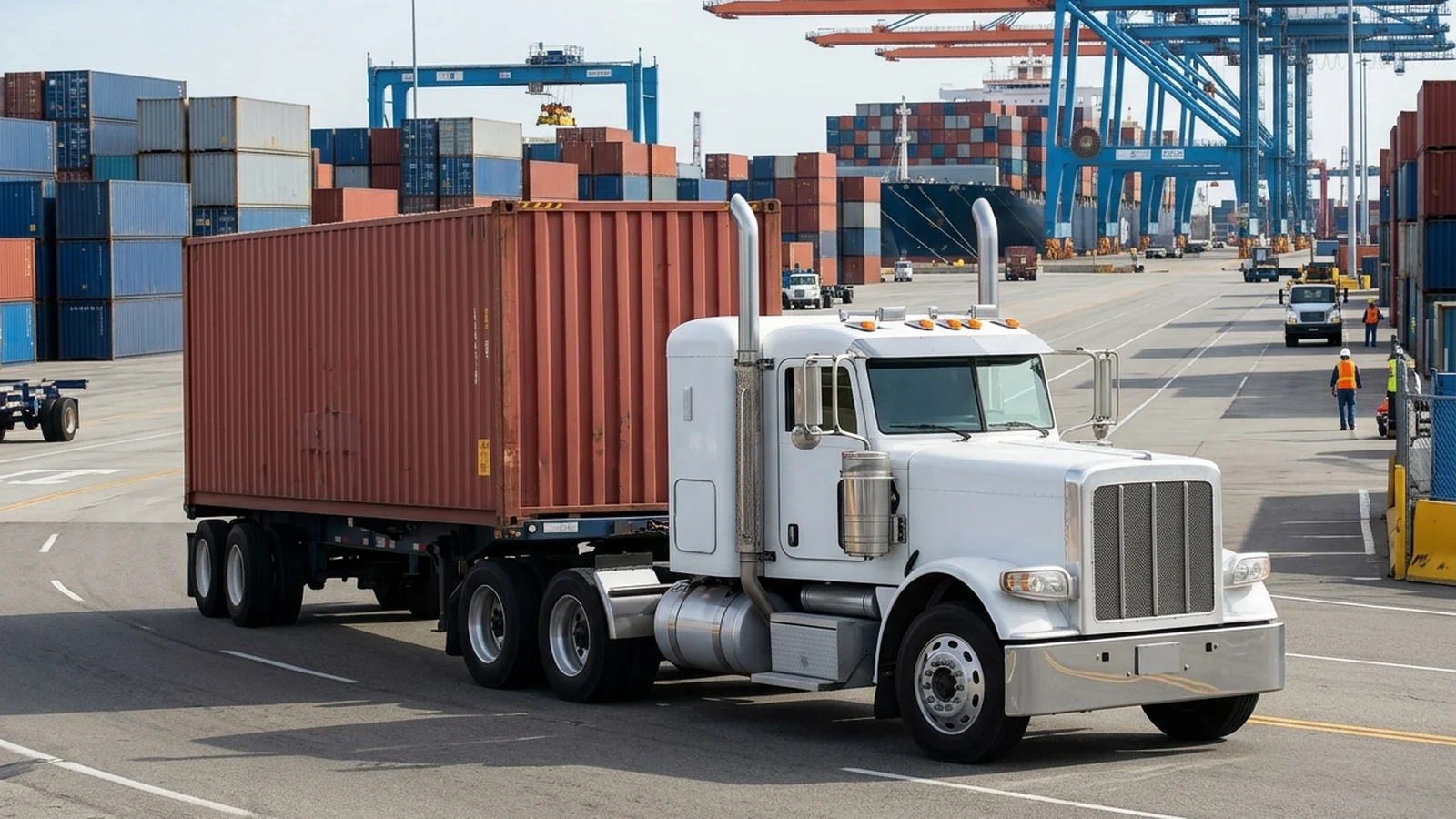
Container Drayage Explained: Import, Export, Chassis, Free Time & Empty Returns
A practical guide to container drayage for importers, exporters, brokers, and logistics teams, covering terminal pulls, chassis, appointments, free time, empty returns, and the details that keep containers moving.
Read More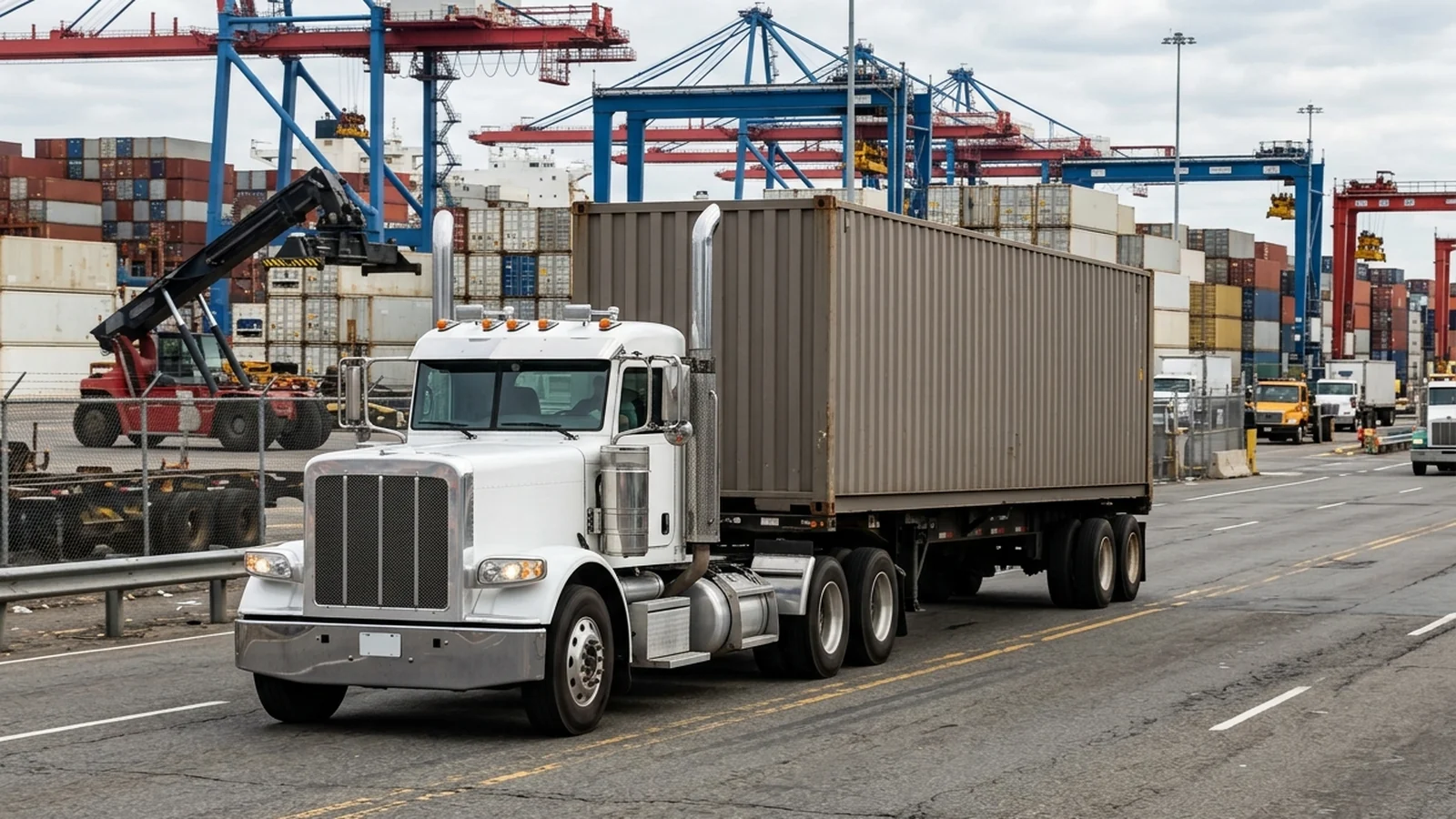
Port Newark & Port Elizabeth Drayage Guide for Importers
A practical guide to container drayage across the Port of New York and New Jersey, from Port Newark and Port Elizabeth to the New York terminals, covering release requirements, chassis, free time, appointments, empty returns, and the details that keep import containers moving.
Read More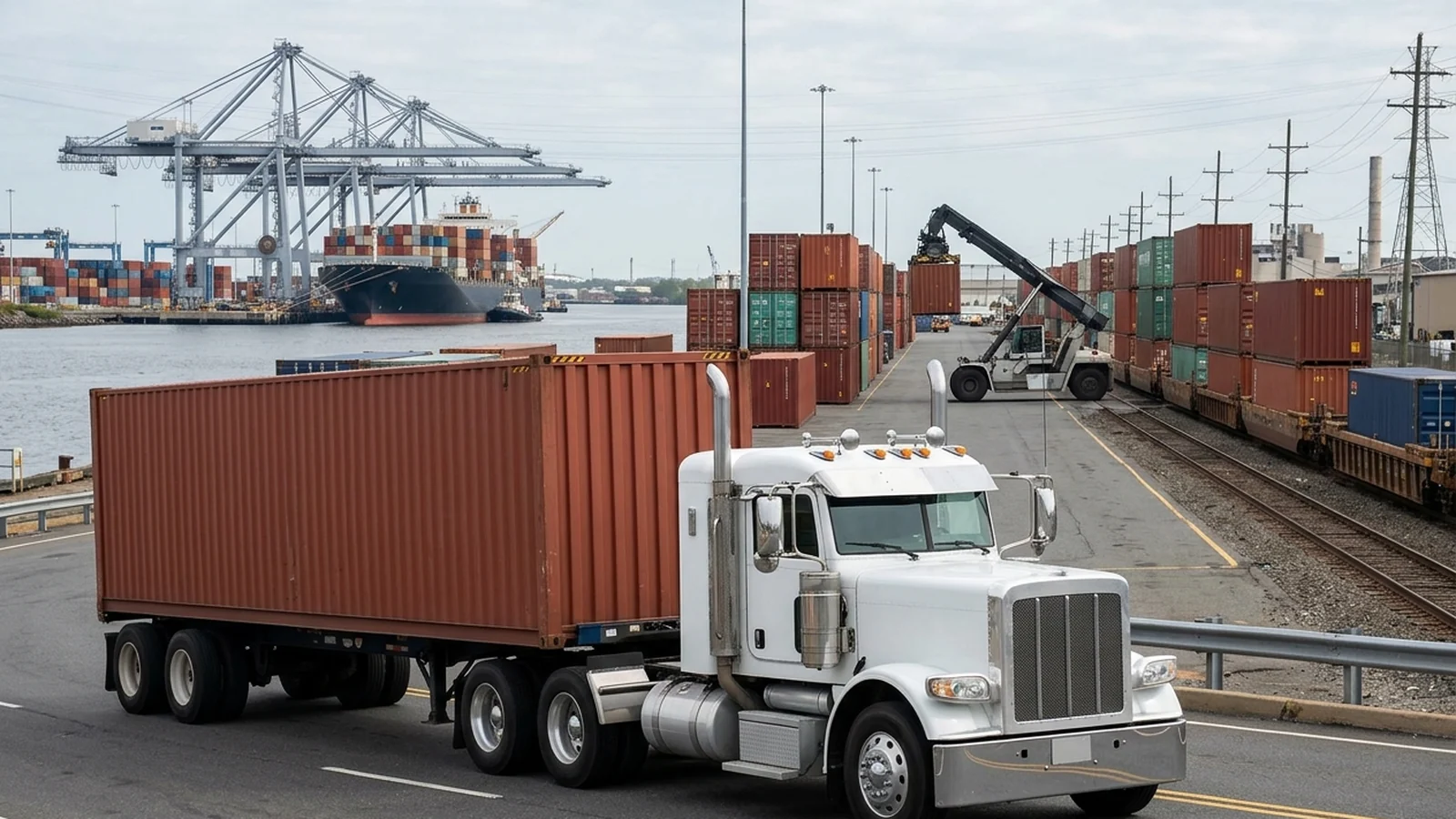
Philadelphia Container Drayage Guide: Ports, Rail & Regional Delivery
A practical guide to container drayage across the greater Philadelphia and Delaware River port and intermodal market, covering Packer Avenue, Tioga, Penn Terminals, Wilmington, Gloucester, and CSX and Norfolk Southern rail, plus carrier access, reefer and genset planning, free time, and regional delivery.
Read MoreStart the Capacity Discussion
Have a regional import or export container lane to cover? Send Spartanus Cargo Systems the terminal, origin or destination, container type, commodity, weight, equipment requirements, last free day or cutoff, timing, and expected volume. Our team can review the complete container cycle, confirm current regional coverage, and determine available capacity.