Refrigerated Container Drayage: Gensets, Temperature Control & Perishable Freight
A practical guide to refrigerated container drayage for importers, exporters, produce companies, and logistics teams, covering reefer chassis, portable and underslung gensets, temperature requirements, terminal release, free time, pre-pulls, regional delivery, and empty returns.
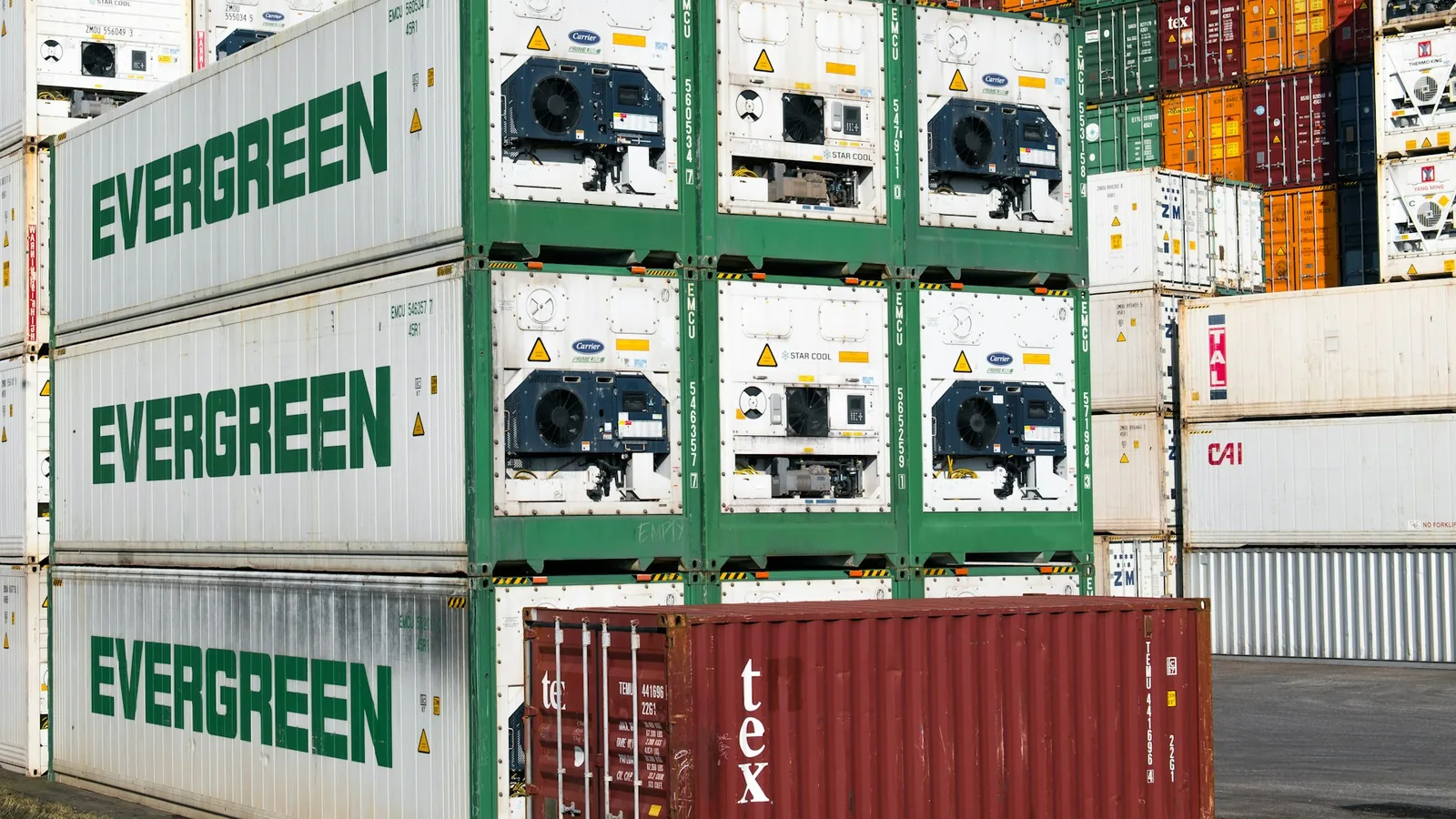
Refrigerated container drayage looks like a short move and behaves like a complex one. A reefer container comes off a vessel, a truck carries it a few miles to a cold-storage warehouse, and the cargo has to stay within a set temperature the entire time. On paper the mileage is small. In practice the move sits on top of vessel release, chassis and genset availability, the container's temperature requirements, terminal appointments, free-time deadlines, tight receiving windows at perishable warehouses, empty-return rules, and constant communication between several parties.
That is why refrigerated container drayage is not simply putting a truck under a refrigerated container. It is coordinating a temperature sensitive move where a missed step is more expensive than it would be on a dry container, because the cargo itself is at risk.
This guide explains how reefer drayage actually works for importers, exporters, produce companies, food distributors, freight forwarders, NVOCCs, brokers, warehouses, and logistics teams. It covers the reefer container, chassis, and genset relationship, the difference between portable and underslung gensets, temperature and appointment planning, regional delivery, empty returns, and the information a drayage provider needs before the container is available. It builds on the fundamentals in Container Drayage Explained, so if you are new to drayage generally, start there and come back for the refrigerated details.
None of what follows is terminal policy, carrier policy, or legal advice, and it is not a statement of responsibility for the container's refrigeration machinery. Terminal, ocean-carrier, equipment-provider, container, genset, and receiving requirements change and vary by shipment. Always confirm current requirements with the specific terminal, ocean carrier, equipment or genset provider, and receiver involved in your move.
What Makes Reefer Drayage Different From Dry Container Drayage
A dry container has to arrive intact and on time. A refrigerated container adds another operating layer because its refrigeration system is expected to maintain the shipment's specified temperature conditions during the move.
The main differences are:
- The container needs power. At the terminal, a refrigerated container is typically connected to terminal power. Once it leaves the terminal, qualifying road moves may require a genset or other approved power arrangement depending on the container, carrier, equipment, and shipment requirements.
- The equipment is more specialized. Reefer moves need a chassis that is compatible with the container and, in most road moves, a genset that is compatible with both.
- Timing is tighter. Perishable and food warehouses often run narrow receiving windows, and cargo condition is time sensitive.
- The information required is greater. The set temperature, commodity, and any monitoring expectations all have to travel with the move.
The transportation provider's role is to move the container and coordinate the equipment and schedule around it. Setting, maintaining, or certifying the reefer unit's temperature is a separate responsibility that rests with the parties who own and program the equipment and the cargo. Keeping that distinction clear is part of planning a clean reefer move.
Understanding the Reefer Container, Chassis, and Genset Relationship
Three pieces have to line up on a road move: the refrigerated container, the chassis it rides on, and the power source that keeps it running.
- The refrigerated container is the ocean box with its own refrigeration unit built in. At the terminal it is plugged into shore power.
- The chassis is the wheeled frame the container rides on behind the tractor. Reefer moves depend on a chassis that is compatible with the container and the equipment involved.
- The genset is the diesel generator that powers the refrigeration unit once the container leaves shore power, because a truck does not supply that electricity on its own.
If any one of the three is missing or incompatible, the move does not go, even when the container is released and the appointment is set. That is why reefer drayage planning treats equipment as a first question rather than a detail, and why chassis and genset availability belong in the conversation before dispatch.
Portable Gensets vs. Underslung Genset Chassis
There are two common ways to power a refrigerated container on the road, and the difference matters for planning.
A clip-on portable genset is a separate generator that has to be located, and mounted onto the container or chassis for the move. It works, but it adds a step: the genset has to be available, retrieved, and mounted, and that step can be a source of delay when portable units are in short supply.
An underslung genset chassis carries a diesel generator mounted underneath the chassis, so the power source travels with the equipment rather than being sourced and mounted separately for each move. For refrigerated work, Spartanus Cargo Systems has dedicated underslung genset chassis available for qualifying moves. When the container, lane, and operating requirements are compatible, an underslung genset chassis can reduce reliance on locating and mounting a separate portable genset, which removes one of the more common points of friction on reefer dispatch.
This is not automatic. Equipment availability, container compatibility, and shipment requirements still have to be confirmed on every move, and not every refrigerated movement will use underslung genset equipment. The practical takeaway is to raise genset and chassis needs early, so the equipment plan is built before the container is available rather than improvised at the gate.
Temperature Requirements and Shipment Instructions
A refrigerated move cannot be planned or dispatched from the word "reefer" alone. The instructions that travel with the shipment shape the equipment and the schedule.
Useful reefer shipment information generally includes:
- The required set temperature for the cargo.
- The commodity, since produce, protein, dairy, food products, and other temperature sensitive freight can carry different handling expectations.
- Whether the container needs continuous power in transit and therefore a genset.
- Any monitoring expectations the shipper or receiver has defined.
- Whether the freight is time sensitive enough that receiving timing has to be locked before the pull.
The required setpoint should come from the shipper, cargo owner, ocean carrier, or other party responsible for the refrigeration instructions. A transportation provider should not independently select or change that setpoint unless specifically authorized under the shipment's operating procedures.
Communicating the set temperature and commodity at the start of the quote or capacity conversation, rather than after a truck is assigned, is one of the simplest ways to keep a reefer move on plan. The transportation provider coordinates the move around those instructions; the temperature target itself is defined by the cargo owner and the parties responsible for the equipment.
Terminal Release, Appointments, and Free-Time Pressure
Before any refrigerated container can be picked up, the same release steps apply as on a dry move: the vessel has to discharge, the container has to be available, customs and carrier releases have to be in place, and any holds have to clear. Most terminals also require an appointment to pull the container.
Free time adds pressure on reefer freight specifically. The clock on terminal free time runs the same way it does for a dry box, but a refrigerated container that sits waiting is both accruing potential charges and holding temperature sensitive cargo. When the last free day is close, the reefer move becomes the priority, not the fallback. Knowing the last free day early, and confirming the appointment and equipment against it, is central to reefer planning. The general mechanics of free time, demurrage, and detention are covered in Container Drayage Explained; on refrigerated freight they simply carry more urgency.
Pre-Pulls, Staging, and Dedicated Yard Moves
Refrigerated moves often run into a timing gap: the container becomes available before the receiver has an open appointment, or the last free day arrives before the warehouse can take the freight. On temperature sensitive cargo, letting the container sit at the terminal is not always the safest or cheapest option.
For customers that need flexibility between the terminal, a staging location, and the warehouse, Spartanus can provide a dedicated yard-move fleet where operationally appropriate and subject to capacity. A pre-pull, staging, or dedicated yard move can separate the initial container pull from the final delivery when free-time pressure, receiver schedules, staging needs, or equipment availability make a straight port-to-customer move impractical. Whether that approach fits depends on the container, the equipment, the power arrangement, and the receiver's timing, so it is planned rather than assumed.
Planning refrigerated container volume?
Send the terminal, delivery location, container details, temperature requirements, genset or chassis needs, receiving schedule, and timing to Spartanus Cargo Systems so our team can review the complete refrigerated container move and available capacity.
Request a QuoteWarehouse Receiving Schedules and Delivery Timing
Cold-storage and perishable warehouses frequently run tighter and more time-sensitive receiving windows than dry-goods facilities. A refrigerated move has to connect two schedules that do not line up on their own: the terminal's availability and the receiver's appointment. When those do not match, the container waits, and waiting on reefer freight carries more risk.
Confirming the receiving appointment early, and planning the pull and any staging around it, is one of the most effective ways to protect both the cargo and the free-time clock. Receiving schedules can materially change the transportation plan, so the receiver's hours and appointment rules belong in the initial move information, not at the end of it.
Local vs. Regional Refrigerated Container Transportation
Not every reefer move is a short local delivery. Refrigerated containers routinely move well beyond the immediate port area into regional markets when that is where the cargo is going. Spartanus can support qualifying local and regional refrigerated container movements, and regional container transportation can extend beyond short-haul drayage when it is commercially appropriate.
The planning principles are the same regardless of distance, but a longer refrigerated move leaves less room to recover from a missed step, so the container, chassis, genset, appointment, receiver, free-time limits, and empty return all have to be coordinated up front. In practice this connects to specific markets: containers moving through the North Jersey and Philadelphia gateways each have their own terminal and equipment considerations, covered in the Port Newark and Port Elizabeth drayage guide and the Philadelphia container drayage guide. Whether a lane is best handled as a spot container or as dedicated or recurring capacity often depends on volume and lane consistency.
Empty Return and Equipment-Return Coordination
The move is not finished when the cargo is delivered. The empty container, the chassis, and any genset all have to be returned or repositioned correctly, and the correct return location or disposition can differ by ocean carrier, equipment provider, and facility, and can change after delivery.
On refrigerated moves this closes a longer equipment chain than a dry move, because the genset arrangement is part of it. Treating the empty return and equipment disposition as part of the plan, rather than an afterthought, keeps equipment time and return charges from turning a clean delivery into a messy close-out.
Common Reefer Drayage Planning Mistakes
Most refrigerated drayage problems are avoidable with information and lead time. The recurring ones include:
- Providing "reefer" without the set temperature, commodity, or genset requirement.
- Assuming a genset will be available without confirming the power arrangement.
- Waiting until the last free day to plan a temperature sensitive pull.
- Booking the pull before confirming the warehouse receiving appointment.
- Ignoring chassis and genset compatibility until dispatch.
- Treating the empty return and genset disposition as an afterthought.
- Confusing transportation coordination with responsibility for the reefer unit's temperature, so no one confirms who owns the setpoint and monitoring.
Each of these is fixable at the planning stage, which is what the information checklist below is for.
Information to Give Your Drayage Provider Before the Container Is Available
The more complete the initial information, the more accurately a refrigerated move can be planned and priced, and the fewer surprises appear at the gate or the dock. A useful reefer drayage request generally includes:
- The terminal and the container number.
- The delivery location and the receiver's hours and appointment rules.
- The set temperature and the commodity.
- Whether continuous power and therefore a genset is required.
- Any genset or chassis preferences or constraints.
- The last free day and any known holds.
- The empty-return location or instructions if known.
- The timing, including whether the freight is time sensitive.
Questions to Ask Before Assigning Refrigerated Container Freight
Before handing a reefer container to a transportation provider, it helps to confirm a short list of operational questions:
- Can the provider handle the specific terminal, container, and equipment involved?
- How is power on the road arranged, portable genset or underslung genset chassis, and is that equipment available for the lane?
- Can the provider support the receiving window and any regional delivery required?
- Is pre-pull, staging, or a dedicated yard move available if the timing does not line up?
- How are the empty return and equipment disposition handled?
Clear answers early are a good indicator that the move has been thought through rather than improvised.
Why Communication Matters More With Perishable Freight
On a dry container, a communication gap usually costs time and money. On refrigerated freight, the consequences can be greater because equipment, power, timing, and temperature instructions all have to remain coordinated. Because reefer moves depend on equipment, power, temperature instructions, and tight receiving windows all at once, the coordination between the terminal or ramp, the transportation provider, the receiver, and the equipment provider is what protects the freight through the drayage leg. Seasonal volume raises the stakes further, which is why refrigerated capacity is worth planning ahead of peak, as covered in Planning for the Perishable Season.
Planning Refrigerated Container Drayage
Refrigerated container drayage rewards specificity. The terminal, the release, the chassis, the genset, the set temperature, the appointment, the free-time clock, the receiver, and the empty return all shape the move, and none of them are captured by "reefer" alone. The teams that move temperature sensitive freight cleanly are the ones that confirm the equipment and the receiving plan before the container is even available.
Spartanus Cargo Systems provides refrigerated container drayage and regional container transportation, including dedicated underslung genset chassis for qualifying moves and a dedicated yard-move fleet where operationally appropriate, subject to equipment availability, container compatibility, and shipment requirements.
If you have refrigerated container volume coming, whether it is a single reefer or recurring perishable and temperature sensitive freight, send the terminal, delivery location, container details, temperature requirements, genset or chassis needs, receiving schedule, and timing so the complete move can be reviewed before dispatch.
Related Insights
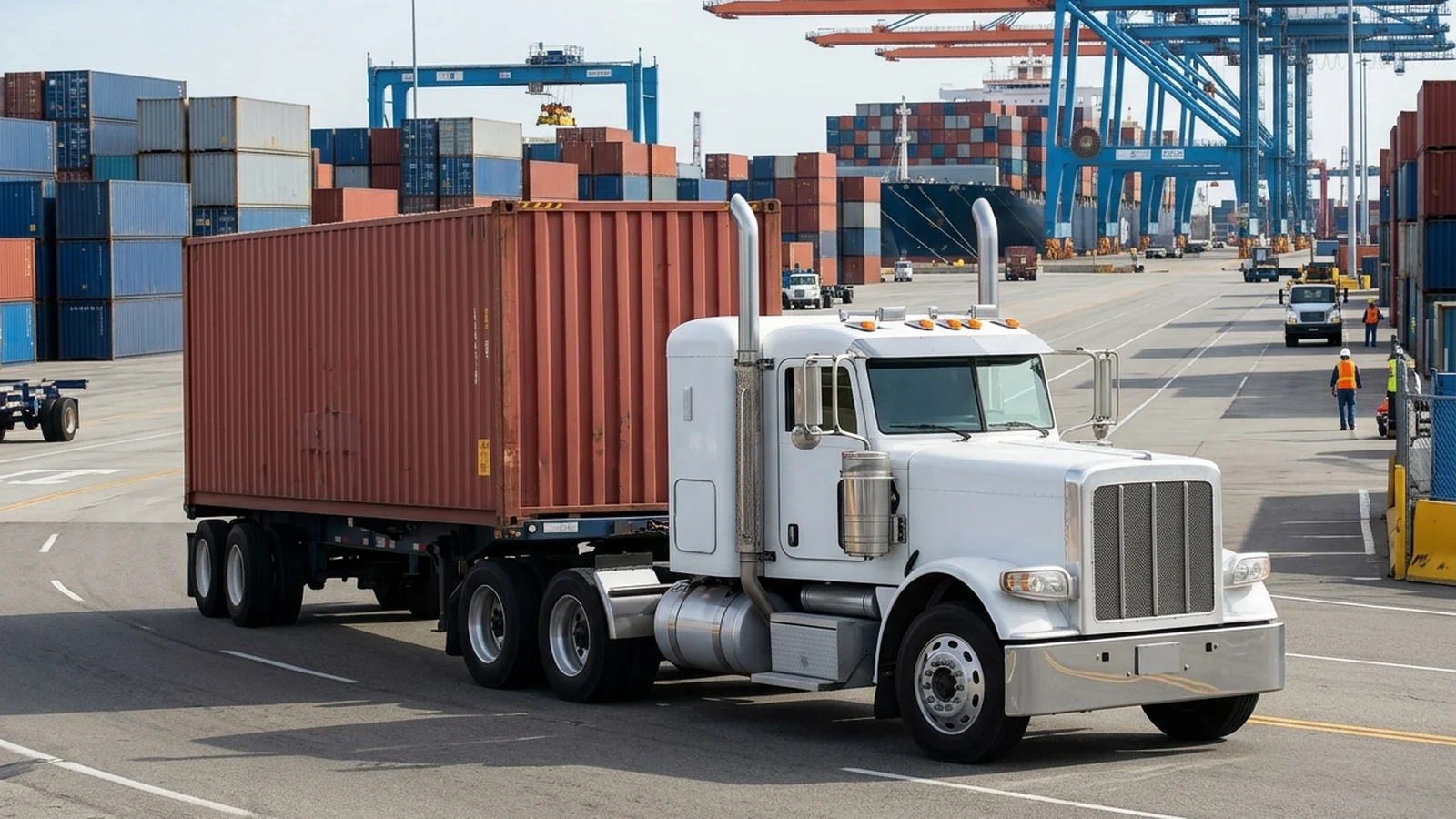
Container Drayage Explained: Import, Export, Chassis, Free Time & Empty Returns
A practical guide to container drayage for importers, exporters, brokers, and logistics teams, covering terminal pulls, chassis, appointments, free time, empty returns, and the details that keep containers moving.
Read More
Planning for the Perishable Season Starts Before the First Container Arrives
Perishable season success starts with planning. Learn how importers, brokers, and logistics teams can prepare refrigerated container drayage capacity before peak season begins.
Read More
Port Newark & Port Elizabeth Drayage Guide for Importers
A practical guide to container drayage across the Port of New York and New Jersey, from Port Newark and Port Elizabeth to the New York terminals, covering release requirements, chassis, free time, appointments, empty returns, and the details that keep import containers moving.
Read MoreStart the Capacity Discussion
Spartanus Cargo Systems provides container drayage, refrigerated container transportation, specialized container services, and regional freight solutions across key Mid-Atlantic and Gulf Coast markets.