Import Container Drayage Checklist: From Arrival Notice to Empty Return
A practical, step-by-step import container drayage checklist for importers and logistics teams, from arrival notice and release through last free day, chassis, pickup, delivery, and empty return, with a printable summary and common mistakes to avoid.
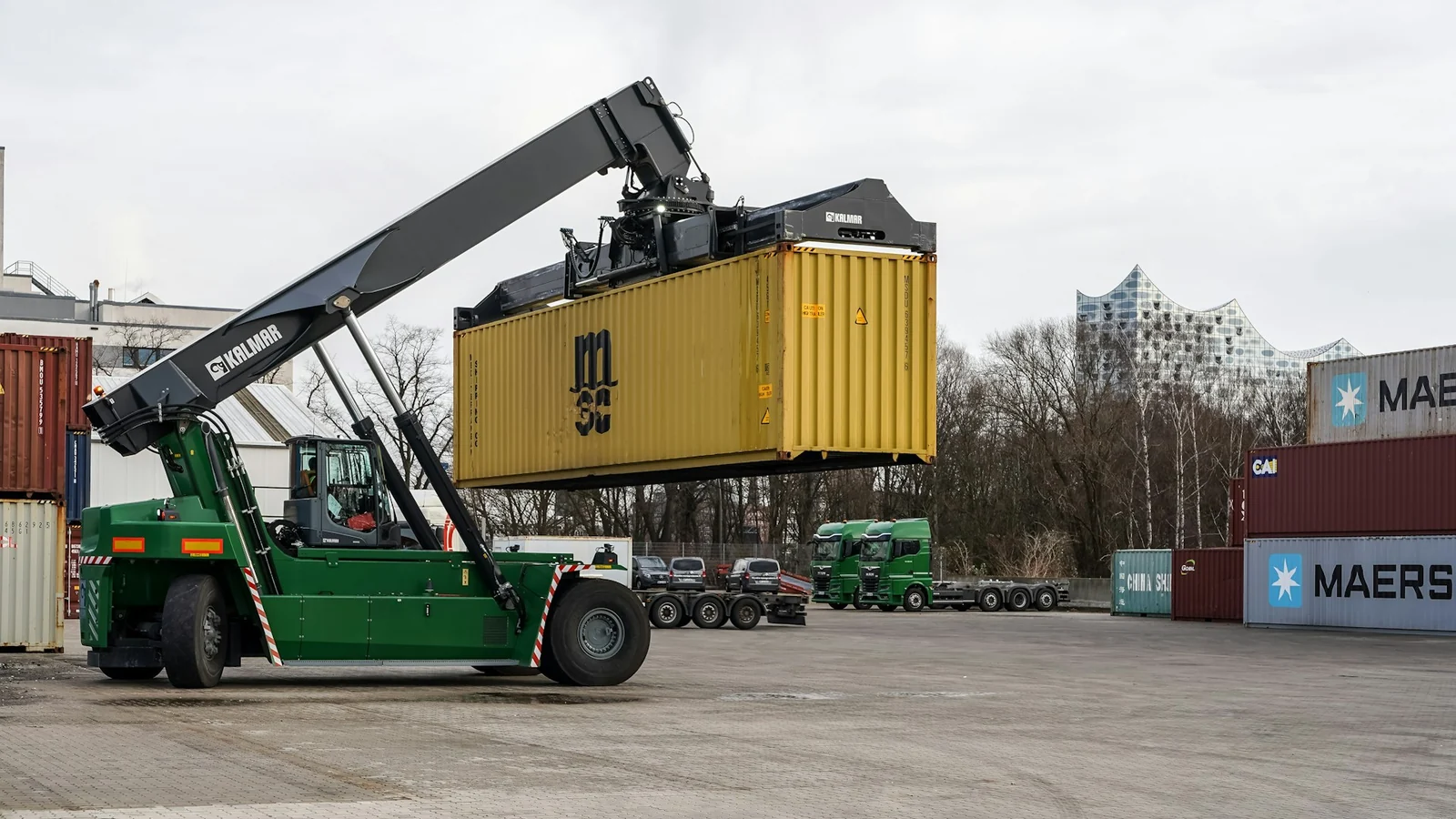
An import container move looks simple from the outside: a box comes off a ship and gets trucked to a warehouse. In practice it is a sequence of dependent steps, and a gap at any one of them can stall the whole move or trigger a charge. The importers and logistics teams who move containers cleanly are not the ones with the most luck, they are the ones who work the move as a checklist.
This guide lays out that checklist, step by step, from the arrival notice through the empty return and move closeout, for importers, distributors, manufacturers, food and beverage companies, retailers, freight forwarders, NVOCCs, customs brokers, and logistics teams. It is written to be used while you are actually coordinating a shipment. If you want the underlying mechanics behind these steps, they are covered in Container Drayage Explained; this guide is the operational sequence.
None of what follows is terminal policy, carrier policy, or legal advice. Terminal requirements, ocean-carrier requirements, customs and other releases, chassis arrangements, and empty-return instructions vary by shipment and location and can change. Confirm the current requirements for your specific container with the terminal, ocean carrier, and equipment provider involved.
Why Import Drayage Should Be Managed as a Checklist
Every step in an import move feeds the next. The container cannot be picked up until it is available and released, it cannot be delivered until the receiver can take it, and the move is not closed until the empty is back. Because the steps are dependent, a missed detail early tends to surface later as a delay or a charge, often right at the last free day.
A checklist does two things. It forces the information to be gathered before it is urgent, and it makes the handoffs between parties, the customs broker, the ocean carrier, the terminal, the receiver, and the drayage provider, explicit rather than assumed. What follows is that checklist.
Step 1: Review the Arrival Notice
The arrival notice is usually the starting gun. It is the notification that a shipment is inbound, and it typically points to the container and the terminal so planning can begin.
An arrival notice may include information such as:
- Vessel and voyage
- Bill of lading information
- Container information
- Terminal information
- Estimated arrival information
- Carrier contact or release information
The exact content varies by carrier and shipment, so treat the arrival notice as a prompt to confirm details rather than a complete, uniform data set. If something needed for planning is missing, that is the first thing to chase.
Step 2: Confirm Vessel Arrival and Container Discharge
An arrival notice is a heads-up, not a green light. Before anything can move, the vessel has to actually arrive and the container has to be discharged from it. Vessel schedules shift, so confirm the actual arrival and discharge rather than planning solely off an estimate.
Step 3: Confirm Container Availability
Discharge and availability are not the same moment. A container can be off the ship but not yet grounded, staged, and available for pickup. Availability is the point at which the terminal can actually hand the container over, assuming everything else is in order.
Confirm:
- Container number
- Terminal
- Vessel / voyage
- Estimated availability
- Whether the container is grounded and available
Step 4: Clear Customs and Other Holds
A container can be physically at the terminal, and even available, and still not be releasable if a hold is in place. It helps to keep three states separate: the container being physically at the terminal, the container being available, and the container being legally and operationally releasable.
Applicable holds can include customs, carrier, documentation, payment, or other shipment-specific holds. These are not the only possible holds, and which ones apply depends on the shipment. The practical step is to confirm that all holds are cleared before planning the pull, because discovering a hold on the day of pickup is a common cause of delay.
Step 5: Confirm Ocean-Carrier Release
Alongside any holds, the ocean carrier's release generally has to be in place before the container can be picked up. Release requirements vary by carrier and shipment, so confirm the release status rather than assuming it follows automatically from availability.
Step 6: Verify the Last Free Day
The last free day is the deadline that shapes the entire schedule. It is the final day the container can sit in its free-time window before additional charges generally begin to accrue, and because free-time allowances vary, it must be verified for each container as early as possible.
Verifying it early lets the pull, delivery, and any staging be planned against a real date. The mechanics of free time, demurrage, detention, and storage, and why the last free day matters so much, are covered in Demurrage, Detention, Free Time & Storage Explained.
Step 7: Confirm Receiver Availability and Delivery Appointment
The container has to go somewhere, and the receiver's schedule often does not match the terminal's. Confirm when and how the receiver can take the container before planning the pickup, not after.
Confirm:
- Delivery location
- Receiver hours and appointment rules
- Whether the receiver takes a live unload or a drop
- Any receiver-specific requirements
Step 8: Confirm Chassis and Equipment Requirements
A container cannot move on the road without a chassis, and specialized freight can require specific equipment. Chassis arrangements vary by provider and location, and availability is not guaranteed, so equipment should be confirmed as part of planning the pull rather than assumed.
Confirm:
- Chassis availability and arrangement
- Any specialized chassis needs, such as for reefer or overweight
- Whether the move has reefer, hazmat, or overweight requirements
Step 9: Secure Terminal Appointment When Required
Many terminals manage pickups through an appointment system, but not all do, and the specific rules vary and can change. Where an appointment is required, it has to line up with three things at once: the container being available and released, a chassis being available, and the receiver being able to take delivery. Confirm the terminal's current appointment requirements for the move rather than assuming they match another terminal.
Step 10: Decide Whether a Pre-Pull or Staging Move Is Needed
Sometimes the container is ready before the receiver is, and letting it sit at the terminal is not the best option. A pre-pull or staging move may help when:
- The receiver cannot accept the container before the last free day
- Terminal and receiver schedules do not align
- The delivery appointment is later than container availability
- Operational timing makes direct delivery impractical
It is a tool with trade-offs, not a cure. Staging may add cost, capacity and yard availability matter, reefer containers require appropriate power and equipment planning, and a pre-pull does not automatically eliminate detention, chassis, storage, or other charges. It changes where the container sits, and some clocks may keep running. Whether a lane is better served by spot moves or dedicated or recurring capacity can also affect how much staging flexibility is realistic.
Step 11: Pick Up the Container
With availability, release, holds, last free day, chassis, appointment, and delivery plan confirmed, the pickup is the straightforward part. This is where the earlier confirmations pay off: a clean pull is the product of the steps before it, not a separate task.
Step 12: Complete Delivery
Deliver the container to the receiver according to the confirmed plan and delivery type. If anything about the receiver's window or requirements has changed since Step 7, it is worth reconfirming before the truck is committed, because a turned-away delivery restarts timing pressure.
Step 13: Coordinate Unloading, Live Unload, or Drop
How the container is unloaded affects equipment time. In a live unload the truck and chassis wait while the container is emptied; in a drop the container is left and picked up later. Each has different implications for how long the equipment is committed, which connects directly to detention and chassis timing. Confirm the unload type with the receiver so the equipment plan matches reality.
Step 14: Confirm Empty-Return Instructions
Delivery is not the end of the move. Before the empty can be returned, the return instructions have to be confirmed, because the correct return location can vary by ocean carrier and the location or its acceptance may change after delivery. Confirming the return instructions at this stage, rather than assuming them, avoids a scramble once the container is empty.
Step 15: Return the Empty and Equipment
The empty container and the chassis have to be returned according to the current instructions. This step matters for timing as much as logistics: detention and chassis clocks may continue to run until the equipment is properly returned, depending on the applicable rules. A return location that is full, restricted, or changed can hold equipment and extend those clocks, so the return is planned, not improvised.
Step 16: Confirm Move Closeout and Documents
The move is complete when it is documented, not just when the container is delivered. Practical closeout items include:
- Delivery confirmation or proof of delivery
- Empty return confirmation
- Chassis or equipment return confirmation where applicable
- Container and chassis numbers
- Accessorial documentation if applicable
Keeping these together closes the loop and makes any later question, including a charge, far easier to resolve.
Have an import container coming in?
Send Spartanus Cargo Systems the terminal, container number, last free day, delivery location, commodity, equipment requirements, receiving schedule, and expected timing so our team can review the complete move and available capacity.
Request a QuoteRefrigerated Import Containers: Extra Planning
Refrigerated import containers add requirements at several of these steps. A reefer needs power and compatible equipment, and perishable receivers often run tighter windows, so plan around:
- Power on the road
- Genset or compatible chassis
- Setpoint instructions from the party responsible for the cargo
- Delivery timing
- Receiver availability
The transportation provider coordinates the move; the temperature target itself is defined by the parties responsible for the cargo and equipment. The full set of reefer considerations is covered in the refrigerated container drayage guide.
Import Drayage Checklist Summary
A concise version to keep beside a shipment:
BEFORE ARRIVAL
- Arrival notice reviewed
- Terminal confirmed
- Receiver confirmed
BEFORE PICKUP
- Availability confirmed
- Holds cleared
- Carrier release confirmed
- Last free day confirmed
- Chassis / equipment confirmed
- Appointment confirmed if required
BEFORE DELIVERY
- Receiver appointment confirmed
- Delivery type confirmed
- Special requirements confirmed
AFTER DELIVERY
- Empty-return instructions confirmed
- Empty returned
- Equipment returned
- POD / return confirmation retained
Common Mistakes That Create Delays and Charges
Most import drayage problems trace back to the same avoidable causes:
- Waiting until the last free day to start planning
- Assuming vessel arrival means the container is available
- Not checking for holds before planning the pull
- Not confirming the receiver's hours and requirements
- Assuming a chassis will be available
- Forgetting to plan the empty return
- Raising reefer, overweight, or hazmat requirements too late
- Providing incomplete shipment information
None of these are exotic. They are information and timing gaps, which is exactly what a checklist is built to close.
Information to Send Spartanus Before Requesting a Rate
The more complete the information, the more accurately a move can be planned and priced. A useful import handoff generally includes:
- The terminal and the container number
- The last free day and any known holds
- The delivery location and the receiver's hours
- The commodity, and whether it is refrigerated, hazmat, or overweight
- Any equipment requirements
- The empty-return location or instructions if known
- The expected timing and volume
Spartanus Cargo Systems supports container and refrigerated drayage, import and export containers, and regional transportation across the markets it serves, including hazmat where requirements are met, overweight where operationally and legally appropriate, and dedicated or recurring capacity where available, subject to equipment availability and shipment requirements.
Planning Your Next Import Container
Import drayage rewards preparation. The arrival notice, availability, release, last free day, chassis, appointment, delivery, and empty return are all links in one chain, and the move goes smoothly when each is confirmed before it becomes urgent. The checklist above is the difference between managing a shipment and reacting to it.
If you have an import container approaching availability, send the terminal, container number, last free day, delivery location, equipment requirements, and receiving schedule before the pickup window gets tight, so the complete move and available capacity can be reviewed in time.
Related Insights
Container Drayage Explained: Import, Export, Chassis, Free Time & Empty Returns
A practical guide to container drayage for importers, exporters, brokers, and logistics teams, covering terminal pulls, chassis, appointments, free time, empty returns, and the details that keep containers moving.
Read More
Port Newark & Port Elizabeth Drayage Guide for Importers
A practical guide to container drayage across the Port of New York and New Jersey, from Port Newark and Port Elizabeth to the New York terminals, covering release requirements, chassis, free time, appointments, empty returns, and the details that keep import containers moving.
Read More
Philadelphia Container Drayage Guide: Ports, Rail & Regional Delivery
A practical guide to container drayage across the greater Philadelphia and Delaware River port and intermodal market, covering Packer Avenue, Tioga, Penn Terminals, Wilmington, Gloucester, and CSX and Norfolk Southern rail, plus carrier access, reefer and genset planning, free time, and regional delivery.
Read MoreStart the Capacity Discussion
Spartanus Cargo Systems provides container drayage, refrigerated container transportation, specialized container services, and regional freight solutions across key Mid-Atlantic and Gulf Coast markets.