Demurrage, Detention, Free Time & Storage Explained for Container Freight
A plain-language guide to free time, demurrage, detention, terminal storage, and chassis timing on container freight, including the last free day, empty returns, who typically controls each clock, and how drayage planning can reduce avoidable exposure.
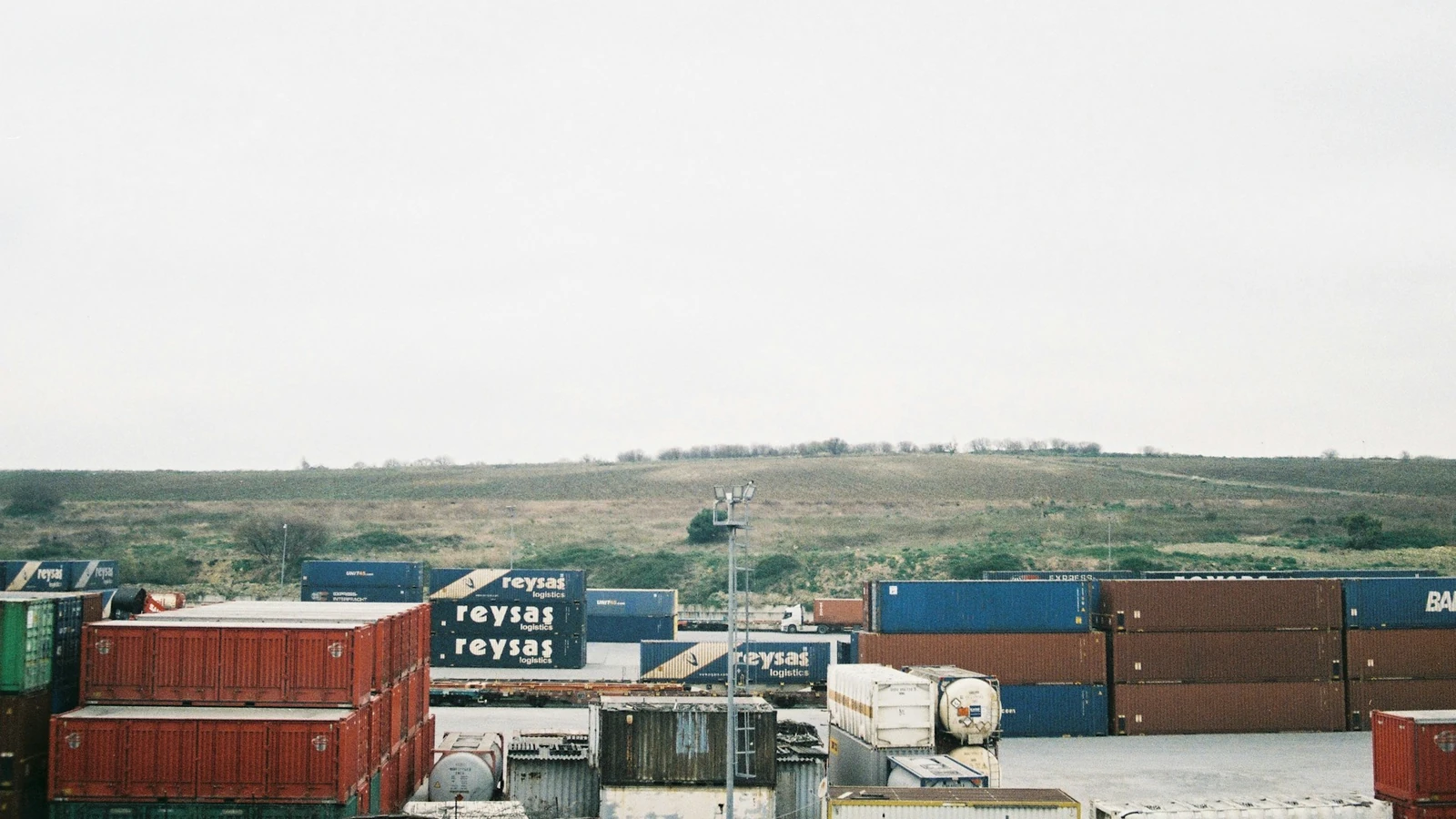
Few parts of container shipping cause as much confusion, and as many surprise invoices, as demurrage, detention, free time, and storage. The words get used interchangeably in conversation, but they describe different clocks, run in different places, and are governed by different rules. Understanding which is which is the difference between planning around them and reacting to them after a charge has already landed.
This guide explains free time, the last free day, demurrage, detention, terminal storage, and chassis timing in plain language, for importers, exporters, freight forwarders, NVOCCs, customs brokers, distributors, manufacturers, and logistics teams. It covers why these charges happen, who typically controls each clock, and how drayage planning can reduce avoidable exposure. If you are new to how drayage fits together in the first place, the mechanics are covered in Container Drayage Explained, and this guide zooms in on the timing.
One thing to set expectations up front: the terminology is not identical across every terminal, ocean carrier, equipment provider, or shipment. Free-time allowances vary, tariffs and rules differ, and the specific numbers that apply to your container come from the parties involved in that move. Nothing here is a legal conclusion about who is financially responsible for a given charge, and no transportation provider can promise to prevent demurrage or detention. What good planning can do is remove the avoidable causes.
None of what follows is terminal policy, carrier policy, or legal advice. Terminal and carrier tariffs, chassis-provider rules, free-time allowances, last free day, and empty-return acceptance change and vary by shipment. Always confirm the specifics that apply to your container with the terminal, ocean carrier, and equipment provider involved.
Why These Terms Create Confusion
The confusion is understandable, because the charges overlap in time and are sometimes billed by different parties. A single late container can, in theory, touch more than one clock: time at the terminal, time on the carrier's equipment, and time on a chassis. Because the words sound related and the invoices can arrive separately, it is easy to assume they mean the same thing. They do not. Each one measures a different resource sitting idle in a different place, and each is governed by its own tariff or agreement.
The practical takeaway is not to memorize definitions, but to know which clock is running, where the container or equipment physically is, and who sets the rule for that specific move.
What Is Free Time?
Free time is the grace period during which a container can sit without triggering an additional charge. It is the shipping world's built-in buffer, meant to give the parties a reasonable window to move the box.
The important points about free time:
- The length of free time varies by terminal, ocean carrier, and sometimes by the specific service or contract. There is no single universal free-time period.
- Free time is typically defined in the applicable tariff or agreement, not by a rule of thumb.
- Because it varies, the free time that applies to your container has to be confirmed for that shipment rather than assumed from a previous one.
Free time is the clock everything else is measured against, which is why the single most useful number to establish early is the last free day.
What Is the Last Free Day?
The last free day is the final day a container can remain in its free-time window before additional charges generally begin to accrue. It is the deadline that turns free time from an abstract allowance into a date on the calendar.
Because free-time allowances vary, the last free day is specific to each container and should be verified for that container rather than estimated. Knowing it early lets the pull, delivery, and any staging be planned against a real deadline. Discovering it late, or assuming it, is one of the most common ways an otherwise routine move slides into charges.
What Is Demurrage?
Demurrage generally relates to a container remaining at the marine terminal or rail facility beyond its allowed free time. In plain terms, it is typically the charge for the container occupying space at the terminal too long.
A few things to keep in mind:
- Demurrage is generally associated with the container sitting inside the terminal or rail facility.
- The rate and the way it accrues depend on the terminal and carrier tariff that applies, so the specifics vary.
- It is not the same as detention, even though the two are often spoken about together.
The way to picture demurrage is location based: the container is still at the terminal, past its free time, and the terminal or carrier tariff governs the charge.
What Is Detention?
Detention generally relates to carrier equipment remaining outside the terminal or facility beyond its allowed time. Where demurrage is about the container sitting at the terminal, detention is typically about the container or equipment being kept out in the field, at a warehouse or yard, longer than the allowed window.
Points to keep in mind:
- Detention generally applies once the equipment has left the terminal and is being held out too long.
- Like demurrage, the allowance and rate depend on the applicable tariff or agreement and vary by shipment.
- The two clocks can feel similar because both are about time, but they measure time in different places.
A simple way to separate them: demurrage is generally the container at the terminal past free time; detention is generally the equipment out of the terminal past its allowed time. Both depend on the specific rules that apply to the move.
What Is Terminal Storage?
Storage may be a separate terminal or facility charge depending on the location and tariff. In some cases it overlaps with or is described alongside demurrage, and in others it is billed as its own line by the terminal or a storage facility. Because practices differ by location, storage is best treated as a charge to confirm for the specific terminal rather than assumed to work the same everywhere.
The practical point is that "the container is sitting somewhere" can generate more than one type of charge, and which ones apply depends on where it is sitting and whose tariff governs that place.
Where Chassis Charges Fit
A chassis is the wheeled frame the container rides on, and chassis usage or rental may operate on a separate clock from demurrage and detention. Depending on the chassis pool or provider, there can be separate timing and billing rules for how long the chassis is out and in use.
This matters because a move can be clean on the container side and still accrue chassis charges if the equipment is held longer than the chassis provider's terms allow. Chassis timing and billing should be confirmed with the applicable provider, because they can differ from the terminal and carrier clocks and can change over time. The fundamentals of chassis in a drayage move are covered in Container Drayage Explained; here the point is simply that the chassis can be its own clock.
Import Example: How the Clocks Can Overlap
Consider an import container that is discharged and released, but the receiver cannot take it until after its last free day. If nothing is done, the container sits at the terminal past its free time, which is generally where demurrage comes in. If the box is then pulled but held loaded at a yard or the receiver while waiting to unload, that can be where detention and chassis time come in, depending on the applicable rules.
The point of the example is not the exact charges, which vary, but the shape of the problem: a single timing gap between the terminal and the receiver can touch more than one clock. Seeing that early is what makes it manageable.
Trying to avoid container timing surprises?
Send Spartanus Cargo Systems the terminal, container number, last free day, delivery location, equipment requirements, receiving schedule, and expected timing so our team can review the transportation plan and available capacity.
Request a QuoteExport Example: Timing and Cutoffs
Exports run the timing in the other direction. An export container generally has to be picked up, loaded, and returned to the terminal ahead of a cutoff tied to the vessel, and there is usually an earliest receiving date before which the terminal will not take it. Hold the equipment too long before returning it, and detention-type charges can apply; miss the cutoff, and the container can roll to a later sailing.
The specific earliest receiving date and cutoff are set by the carrier and terminal and must be confirmed for the booking. Export timing is less forgiving in one respect: the vessel does not wait, so the equipment and the return have to be planned against the cutoff, not just the loading date.
Empty Returns and Why Return Availability Matters
The clocks do not necessarily stop when the cargo is unloaded. The empty container still has to be returned to an acceptable location, and empty return locations and return acceptance can change. If the designated return location is full, restricted, or changed after delivery, the equipment can end up held longer than planned, which is exactly the situation detention and chassis clocks are built around.
Confirming the empty-return location and its acceptance, rather than assuming it, and treating the return as part of the original plan, is one of the more overlooked ways to avoid a charge on the back end of an otherwise clean move.
Reefer Containers and Additional Timing Pressure
Refrigerated containers add pressure to every one of these clocks. A reefer needs power and compatible equipment, perishable receivers often run tighter delivery windows, and a temperature sensitive container is a poor candidate for sitting while a plan catches up. The same free time, demurrage, detention, and chassis rules apply, but the cargo raises the stakes and narrows the room to recover from a delay. The full set of reefer timing and equipment considerations is covered in the refrigerated container drayage guide.
Common Causes of Avoidable Charges
Many demurrage and detention charges trace back to a small number of avoidable causes:
- Not knowing the last free day, or assuming it instead of verifying it.
- A gap between the container being available and the receiver being able to take it.
- Discovering a hold or missing release on the day of the intended pull.
- Leaving the empty-return location and its acceptance unconfirmed.
- Holding equipment out longer than the carrier or chassis provider allows.
- Raising reefer, hazmat, or specialized requirements too late to plan around them.
- Providing incomplete information, so the move cannot be scheduled tightly.
None of these are exotic. They are timing and information gaps, which is why they respond well to planning.
What Information the Drayage Provider Needs Early
The earlier and more complete the information, the more accurately a move can be planned and priced, and the more room there is to work around timing pressure. A useful early handoff generally includes:
- The terminal and the container number or booking.
- The last free day and any known holds.
- The delivery or pickup location and the receiver's or shipper's hours.
- The equipment requirements, including reefer power or specialized chassis.
- The empty-return location or instructions if known.
- The expected timing and volume, and whether the freight is time sensitive.
How Pre-Pulls and Staging Can Help When Appropriate
When the last free day is approaching, the receiver cannot accept the container immediately, or terminal timing and receiver timing do not line up, a pre-pull or staging can sometimes reduce terminal-time exposure by getting the container out of the terminal before the free-time deadline and holding it until the receiver is ready.
This is a tool, not a cure, and it comes with its own conditions:
- Staging has its own costs, so it is a trade-off rather than a free option.
- Equipment and yard availability matter, so it depends on capacity.
- Reefer containers require appropriate power and equipment planning to stage safely.
- Pre-pulling does not automatically eliminate detention or other charges; it changes where the container is sitting, and other clocks, such as chassis time, may still run.
Whether a pre-pull or staging makes sense is a per-move decision that depends on the deadline, the receiver, the equipment, and available capacity. Whether a lane is better handled as spot moves or as dedicated or recurring capacity can also affect how much staging flexibility is realistic.
What to Verify Before a Container Arrives
Before a container is available, a short verification list removes most of the surprises:
- The last free day for that specific container.
- The release status and any holds.
- The delivery window and the receiver's requirements.
- The equipment and any specialized needs.
- The empty-return location and whether it is currently accepting returns.
These are exactly the details that, left unconfirmed, tend to become charges later.
Questions to Ask When a Charge Appears
If a demurrage, detention, storage, or chassis charge does appear, a few questions help make sense of it:
- Which clock is this, and where was the container or equipment when it accrued?
- Which tariff or agreement governs the charge, the terminal, the carrier, or the chassis provider?
- What was the last free day or allowed time, and when was it exceeded?
- What caused the delay, and was it within anyone's control?
Whether a charge can be disputed, and who is ultimately responsible for it, depends on the contracts, tariffs, and facts of the shipment, which is why the answers to these questions matter more than any general definition.
Planning Around Container Timing
Demurrage, detention, free time, and storage are not one thing, they are several clocks running in different places under different rules. No provider can promise to prevent them, because the allowances and tariffs belong to the terminals, carriers, and equipment providers. What planning does is attack the avoidable causes: knowing the last free day, closing the gap between availability and delivery, confirming the empty return, and getting the information into the right hands early.
Spartanus Cargo Systems coordinates container drayage and regional transportation across the markets it serves, and works with customers to plan moves around terminal timing rather than react to it, subject to equipment availability and shipment requirements.
If you want to reduce avoidable timing exposure on an upcoming move, send the terminal, container number, last free day, delivery location, equipment requirements, and timing so the transportation plan and available capacity can be reviewed before the container is on the ground.
Related Insights
Container Drayage Explained: Import, Export, Chassis, Free Time & Empty Returns
A practical guide to container drayage for importers, exporters, brokers, and logistics teams, covering terminal pulls, chassis, appointments, free time, empty returns, and the details that keep containers moving.
Read More
Port Newark & Port Elizabeth Drayage Guide for Importers
A practical guide to container drayage across the Port of New York and New Jersey, from Port Newark and Port Elizabeth to the New York terminals, covering release requirements, chassis, free time, appointments, empty returns, and the details that keep import containers moving.
Read More
Philadelphia Container Drayage Guide: Ports, Rail & Regional Delivery
A practical guide to container drayage across the greater Philadelphia and Delaware River port and intermodal market, covering Packer Avenue, Tioga, Penn Terminals, Wilmington, Gloucester, and CSX and Norfolk Southern rail, plus carrier access, reefer and genset planning, free time, and regional delivery.
Read MoreStart the Capacity Discussion
Spartanus Cargo Systems provides container drayage, refrigerated container transportation, specialized container services, and regional freight solutions across key Mid-Atlantic and Gulf Coast markets.