Savannah Container Drayage Guide: Port Operations, Regional Delivery & Import Planning
A practical Savannah container drayage guide for importers, exporters, and logistics teams, covering Port of Savannah container flow, release, chassis, appointments, free time, import and export moves, reefer, overweight, empty returns, and regional transportation.
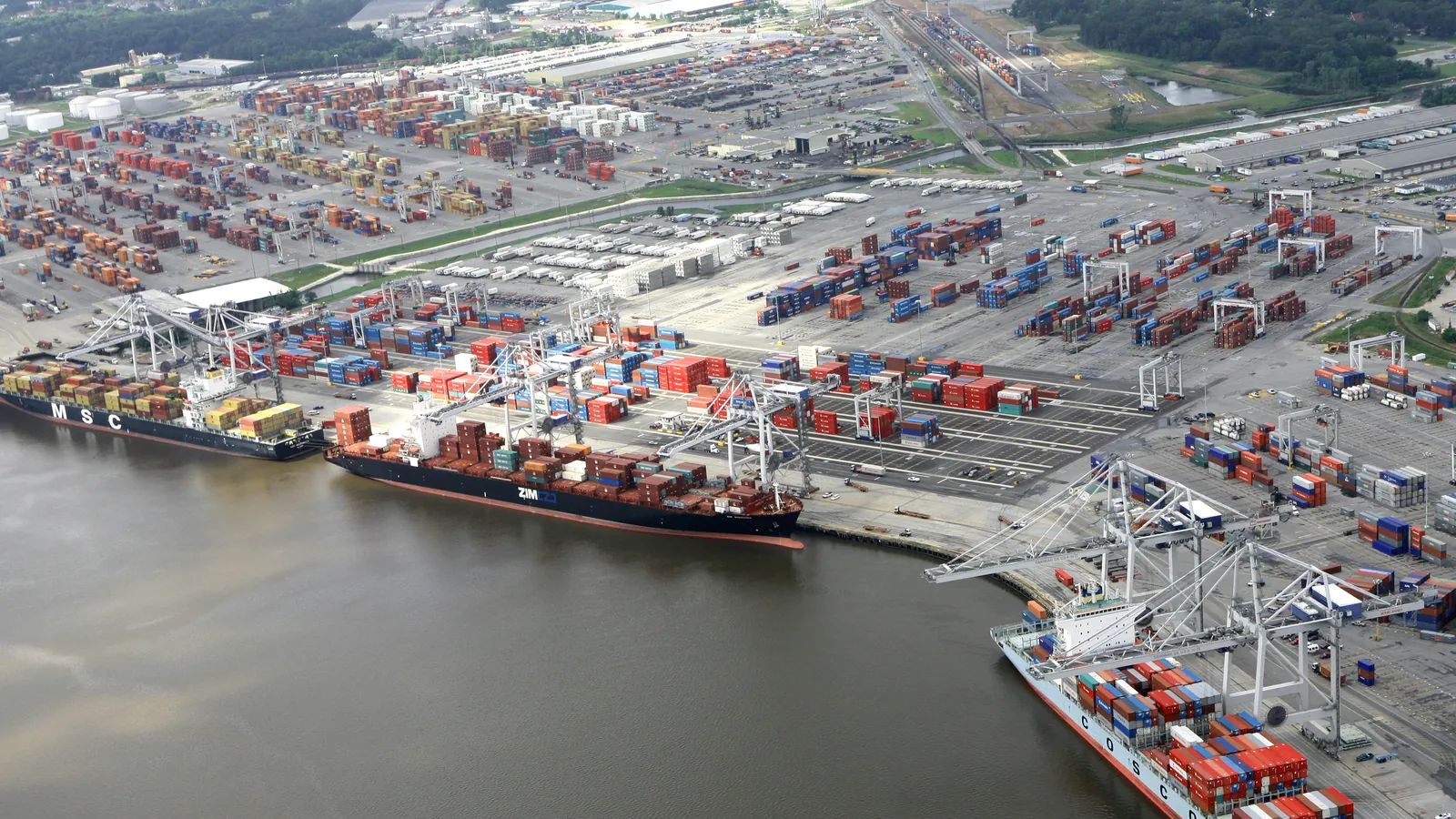
Savannah has become one of the busiest container gateways in the United States, and the volume that makes it attractive is the same volume that makes planning matter. A container that clears a vessel quickly can still lose days if the appointment, chassis, delivery window, or empty return is not lined up in advance. Savannah rewards importers and logistics teams that treat drayage as a plan rather than a phone call made after the box is already on the ground.
This guide walks through how container drayage through Savannah actually works, from vessel discharge to empty return, for importers, exporters, food and beverage companies, retailers, manufacturers, freight forwarders, NVOCCs, customs brokers, and logistics teams. It covers container release, terminal appointments, chassis, free time, import and export moves, refrigerated and specialized freight, and the regional transportation that often follows the port leg. If you are new to drayage in general, the mechanics of chassis, free time, and empty returns are covered in Container Drayage Explained, and this guide focuses on how those mechanics play out in Savannah.
None of what follows is terminal policy, carrier policy, or legal advice. Terminal, ocean-carrier, chassis-provider, appointment, and empty-return requirements change and vary by shipment, and Savannah is no exception. Always confirm current requirements with the specific terminal, ocean carrier, chassis provider, and receiver involved in your move.
Why Savannah Requires Proactive Drayage Planning
Savannah moves a large and growing volume of containers, and high-volume gateways concentrate demand on the same equipment and appointment capacity that every other shipper is trying to use. The result is simple: the shippers who plan ahead tend to move on time, and the ones who react tend to wait.
Proactive planning in Savannah usually means confirming a few things before the container is even available: where it is going, what equipment it needs, when the receiver can take it, and how the empty comes back. None of those are unique to Savannah, but the volume raises the cost of leaving them to chance. A missed appointment or an unavailable chassis is not just a delay, it can push a move past its free time and into charges.
Understanding the Port of Savannah Container Flow
The Port of Savannah is operated by the Georgia Ports Authority. Its main container facility, Garden City Terminal, handles the bulk of the container volume, and the port also connects to rail and inland points that extend its reach well beyond the immediate area. For a drayage plan, the useful way to picture Savannah is as a sequence rather than a single stop.
The typical container flow looks like this:
- The vessel arrives and the container is discharged.
- The container becomes available once it is grounded and any holds are cleared.
- The container is pulled from the terminal, usually under an appointment.
- It is delivered to the receiver or a staging location.
- The container is unloaded and the empty is returned per the ocean carrier's instructions.
Each step depends on the one before it, and each has its own requirements that can change by carrier, terminal, and shipment. The specific procedures at Garden City Terminal, including appointment and gate rules, are set by the terminal and can change, so they should be confirmed for the specific move rather than assumed.
Container Availability and Release
A container is not drayable the moment the vessel arrives. It becomes available when it has been discharged and grounded, and when the releases that apply to it are in place. That generally includes the ocean carrier's release and clearance of any customs or other holds.
For planning, the practical points are:
- Availability and last free day are not the same date, and both matter.
- A container can be physically on the ground but still not releasable if a hold is in place.
- The customs broker, ocean carrier, and drayage provider each hold part of the release picture, so the information has to be shared, not assumed.
Confirming release status early, rather than discovering a hold on the day of the intended pull, is one of the simplest ways to keep a Savannah move on schedule.
Terminal Appointments and Pickup Planning
Most modern container terminals manage pickups through an appointment system, and appointment availability is a real constraint at busy gateways. The specific appointment rules, windows, and gate hours at Savannah are set by the terminal and can change, so they must be verified for the move rather than treated as fixed.
What does not change is the planning logic. An appointment has to be matched to three things at once: the container being available and released, a chassis being available, and the receiver being able to take the delivery. When those line up, the pull is straightforward. When they do not, the appointment is the bottleneck, and appointments at a busy terminal are not always available on demand. Building in lead time, and confirming the delivery window before chasing an appointment, keeps the move from stalling at the gate.
Chassis Planning
A container cannot move on the road without a chassis, and chassis supply is one of the most common sources of delay at any port, Savannah included. Chassis can come from different pools and providers, and availability, provisioning, and any associated requirements can vary by provider and can change over time.
The planning points that hold regardless of the specific arrangement:
- Chassis availability should be confirmed as part of the pull, not assumed.
- Specialized moves, such as refrigerated or overweight containers, can require specific chassis, which narrows the pool further.
- Chassis and appointment planning are linked, because a confirmed appointment is of little use without a chassis to match it.
Because the exact chassis arrangement depends on the provider and the move, it is worth confirming for the specific shipment rather than generalizing from a previous one.
Free Time, Demurrage, and Timing Pressure
Free time is the window during which a container can sit at the terminal without additional charges. When it runs out, demurrage generally begins. Detention is the related clock on equipment held too long outside the terminal. The exact free-time allowance and charges are set by the terminal and ocean carrier and can change, so they should be confirmed for the specific container.
The reason free time drives Savannah planning is that everything upstream feeds into it. If release is late, or a chassis is unavailable, or an appointment cannot be secured, or the receiver cannot take delivery, the container sits, and the free-time clock does not stop for any of those reasons. Knowing the last free day at the start, and planning the pull, delivery, and any staging against it, is the single most effective way to avoid charges. The general mechanics are the same everywhere, and they are covered in Container Drayage Explained; in Savannah they simply carry more urgency because of volume.
Import Container Delivery Planning
Once a container is released and an appointment and chassis are in place, the move still has to fit the receiver. Import delivery planning is where drayage meets the warehouse or facility, and the two schedules do not align on their own.
Useful import planning includes:
- Confirming the delivery location and the receiver's hours and appointment rules.
- Knowing whether the receiver can take the container live, or whether it needs to be dropped and picked up later.
- Understanding whether the freight is time sensitive, which changes how aggressively the pull has to be scheduled.
- Coordinating the empty return as part of the same plan, not after the fact.
The tighter the receiver's window, the more the pull and any staging have to be planned around it. Savannah's volume means that leaving delivery timing open often ends with a container waiting somewhere it should not be.
Export Container Planning
Export moves run the sequence in the other direction, and they have their own timing discipline. An export container generally has to be picked up empty or loaded, positioned, and returned to the terminal ahead of a cutoff tied to the vessel. Missing that cutoff can mean the container rolls to a later sailing.
For export planning, the points that matter most are:
- The earliest receiving date and the cutoff for the intended vessel, which are set by the carrier and terminal and must be confirmed.
- Equipment availability for the pickup, since an empty of the right type has to be sourced.
- The loading schedule at origin, so the container is ready to return within the window.
Export timing is less forgiving than import timing in one respect: the vessel does not wait. Planning the equipment and the return against the cutoff, rather than against the loading date alone, is what keeps an export container on its intended sailing.
Refrigerated Container Drayage in Savannah
Savannah handles significant refrigerated volume, and reefer drayage adds requirements on top of everything above. A refrigerated container needs power, compatible equipment, and clear temperature instructions, and perishable receivers often run tighter delivery windows.
Spartanus Cargo Systems supports refrigerated container drayage in the Savannah market, subject to equipment availability, container compatibility, and shipment requirements. Reefer moves depend on the set temperature and commodity being communicated up front, on the power and chassis arrangement being confirmed, and on the receiving window being locked early, because a temperature sensitive container is not a good candidate for sitting while a plan catches up. The full set of reefer considerations, including portable versus underslung gensets and setpoint responsibility, is covered in the refrigerated container drayage guide. As with any market, the transportation provider coordinates the move; the temperature target itself is defined by the parties responsible for the cargo and equipment.
Overweight and Specialized Container Moves
Not every container fits a standard road move. Heavy loads can push a container into overweight territory, where legal weight limits, permitting, routing, and specialized equipment come into play. Spartanus can support overweight container moves in Savannah where it is operationally and legally appropriate, which means the specifics have to be confirmed for the shipment rather than assumed.
Hazardous materials add another layer. Spartanus can support hazmat container moves in Savannah where the applicable requirements are met, which again depends on the commodity, documentation, and equipment involved. The common thread with specialized freight is that it narrows the equipment and planning options, so raising it at the quote stage, not at dispatch, is what makes it workable.
Local vs. Regional Savannah Container Transportation
Savannah is a delivery market and a jumping-off point. Some containers are destined for facilities close to the port, and others move well inland across Georgia and into neighboring states. Spartanus supports both local and regional container transportation from Savannah, and regional container transportation can extend beyond short-haul drayage when it is commercially appropriate.
The planning principles are the same regardless of distance, but a longer move leaves less room to recover from a missed step, so the container, chassis, appointment, receiver, free-time limits, and empty return all have to be coordinated up front. Savannah's rail and inland connections also mean that not every long move has to be a straight over-the-road haul, and the right approach depends on the lane, the timing, and the freight. Whether a lane is best handled as a spot container or as dedicated or recurring capacity often depends on volume and lane consistency.
Planning container volume through Savannah?
Send Spartanus Cargo Systems the terminal, container size, delivery location, commodity, equipment requirements, timing, and expected volume so our team can review the complete move and available capacity.
Request a QuotePre-Pulls, Staging, and Yard Options
Savannah's volume regularly creates a timing gap: the container is available or approaching its last free day before the receiver has an open window. Letting the box sit at the terminal is not always the cheapest or safest option, especially close to the free-time deadline or on time sensitive freight.
A pre-pull, staging, or yard-based approach can separate the initial pull from the final delivery when free-time pressure, receiver schedules, or equipment availability make a straight port-to-door move impractical. Whether that fits depends on the container, the equipment, and the receiver's timing, and it depends on available capacity, so it is planned for a specific move rather than promised in the abstract.
Empty Return Coordination
A Savannah move is not finished when the cargo is delivered. The empty container and the chassis have to be returned or repositioned correctly, and the correct return location and any associated instructions can differ by ocean carrier and can change after delivery. At a busy gateway, the empty return is not an afterthought, because a return location that is restricted or full can hold equipment and start detention.
Treating the empty return as part of the original plan, and confirming the return instructions rather than assuming them, keeps equipment time and return charges from turning a clean delivery into a messy close-out.
Common Savannah Drayage Planning Mistakes
Most Savannah drayage problems come from timing and information gaps rather than distance. The recurring ones include:
- Assuming a container is drayable the moment the vessel arrives, before release and holds are confirmed.
- Treating appointment and chassis availability as guaranteed at a high-volume terminal.
- Waiting until the last free day to plan the pull and delivery.
- Booking a pull before confirming the receiver's delivery window.
- Raising reefer, hazmat, or overweight requirements at dispatch instead of at the quote stage.
- Leaving the empty return and its location out of the plan.
- Providing incomplete information and expecting an accurate rate or schedule in return.
Each of these is fixable at the planning stage, which is what the information checklist below is for.
Information to Provide Before Requesting a Rate
The more complete the initial information, the more accurately a Savannah move can be planned and priced, and the fewer surprises appear at the gate or the dock. A useful Savannah drayage request generally includes:
- The terminal and the container number or booking.
- The container size and type, and whether it is import or export.
- The delivery or pickup location and the receiver's or shipper's hours.
- The commodity, and whether it is refrigerated, hazmat, or overweight.
- Any equipment requirements, such as reefer power or specialized chassis.
- The last free day, cutoffs, and any known holds.
- The empty-return location or instructions if known.
- The timing and the expected volume, including whether it is a one-time move or recurring.
When Dedicated Capacity Makes Sense
Not every Savannah program should be handled the same way. A single container or an occasional move usually fits a spot arrangement. Recurring volume, tight or repeatable delivery windows, or consistent lanes are where dedicated or recurring capacity can be worth setting up, because it lets equipment and planning be organized around known demand rather than assembled move by move.
Spartanus can support dedicated capacity for qualifying Savannah volume, subject to lane, timing, and available capacity. Whether it is the right fit depends on the consistency of the volume, which is why it is worth discussing the actual pattern of freight rather than a single shipment. If you are weighing spot versus dedicated for Savannah, the shape of the volume matters more than any single move, and it is the first thing worth reviewing together.
Planning Container Freight Through Savannah
Savannah rewards specificity and lead time. Release, appointments, chassis, free time, delivery windows, equipment requirements, and the empty return all shape the move, and at a gateway this busy, leaving any of them open tends to cost time. The teams that move cleanly through Savannah are the ones that confirm the plan before the container is on the ground.
Spartanus Cargo Systems actively supports container freight moving through Savannah and the surrounding regional market with container and refrigerated drayage, import and export moves, hazmat and overweight freight where requirements are met, and local and regional container transportation, subject to equipment availability and shipment requirements.
If you have container volume moving through Savannah, send the terminal, container size, delivery location, commodity, equipment requirements, timing, and expected volume so the complete move and available capacity can be reviewed before dispatch.
Related Insights
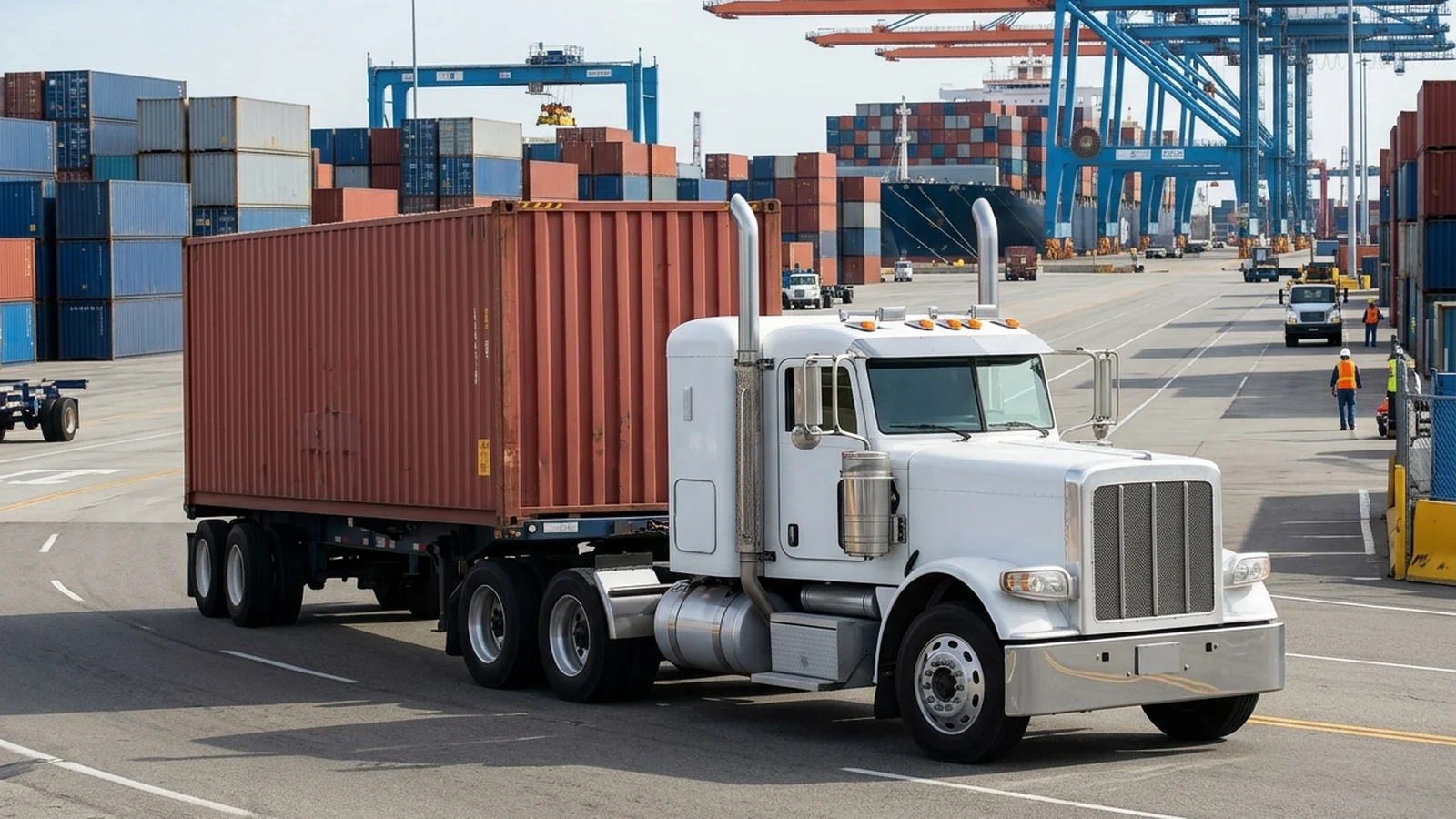
Container Drayage Explained: Import, Export, Chassis, Free Time & Empty Returns
A practical guide to container drayage for importers, exporters, brokers, and logistics teams, covering terminal pulls, chassis, appointments, free time, empty returns, and the details that keep containers moving.
Read More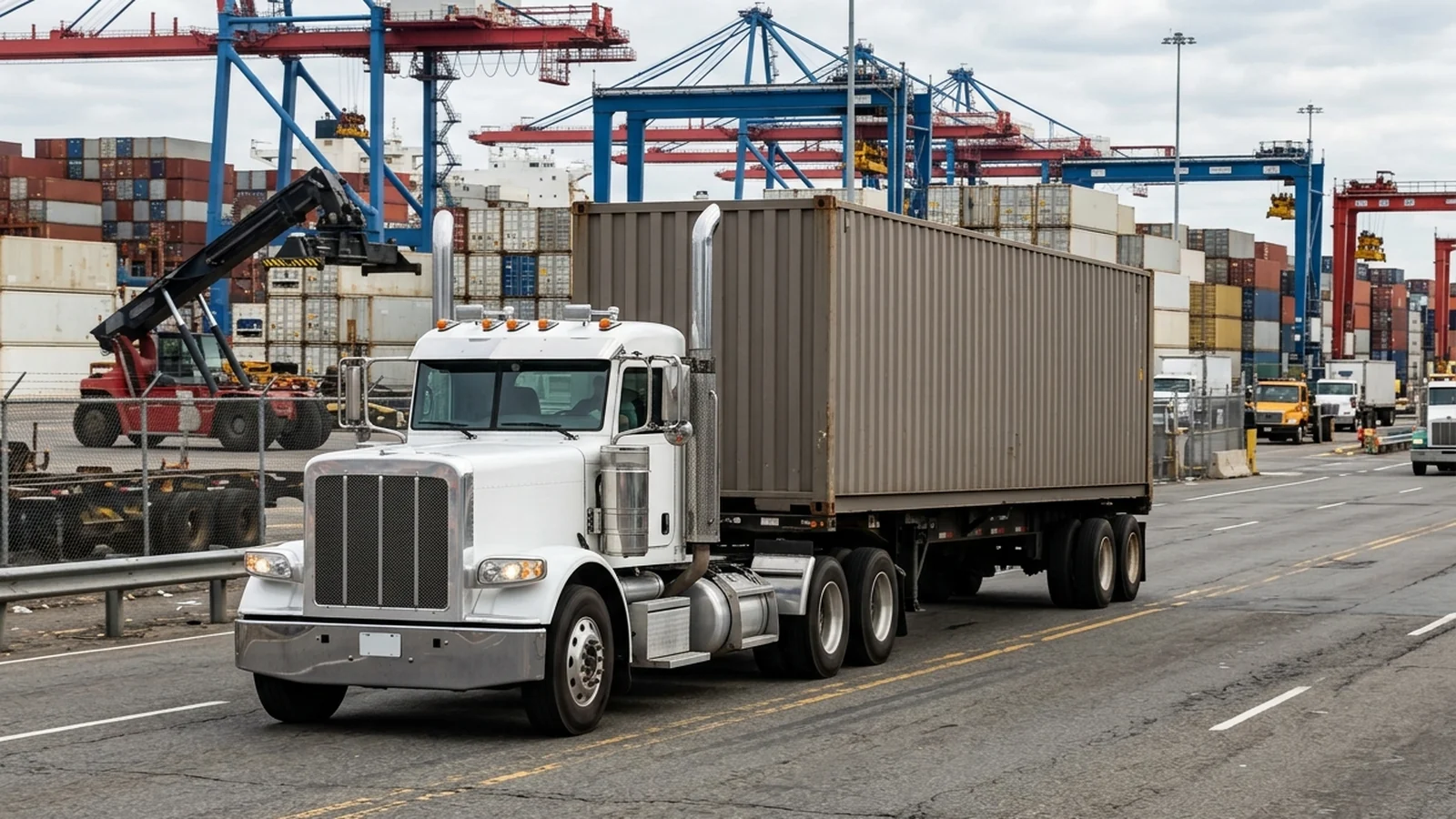
Port Newark & Port Elizabeth Drayage Guide for Importers
A practical guide to container drayage across the Port of New York and New Jersey, from Port Newark and Port Elizabeth to the New York terminals, covering release requirements, chassis, free time, appointments, empty returns, and the details that keep import containers moving.
Read More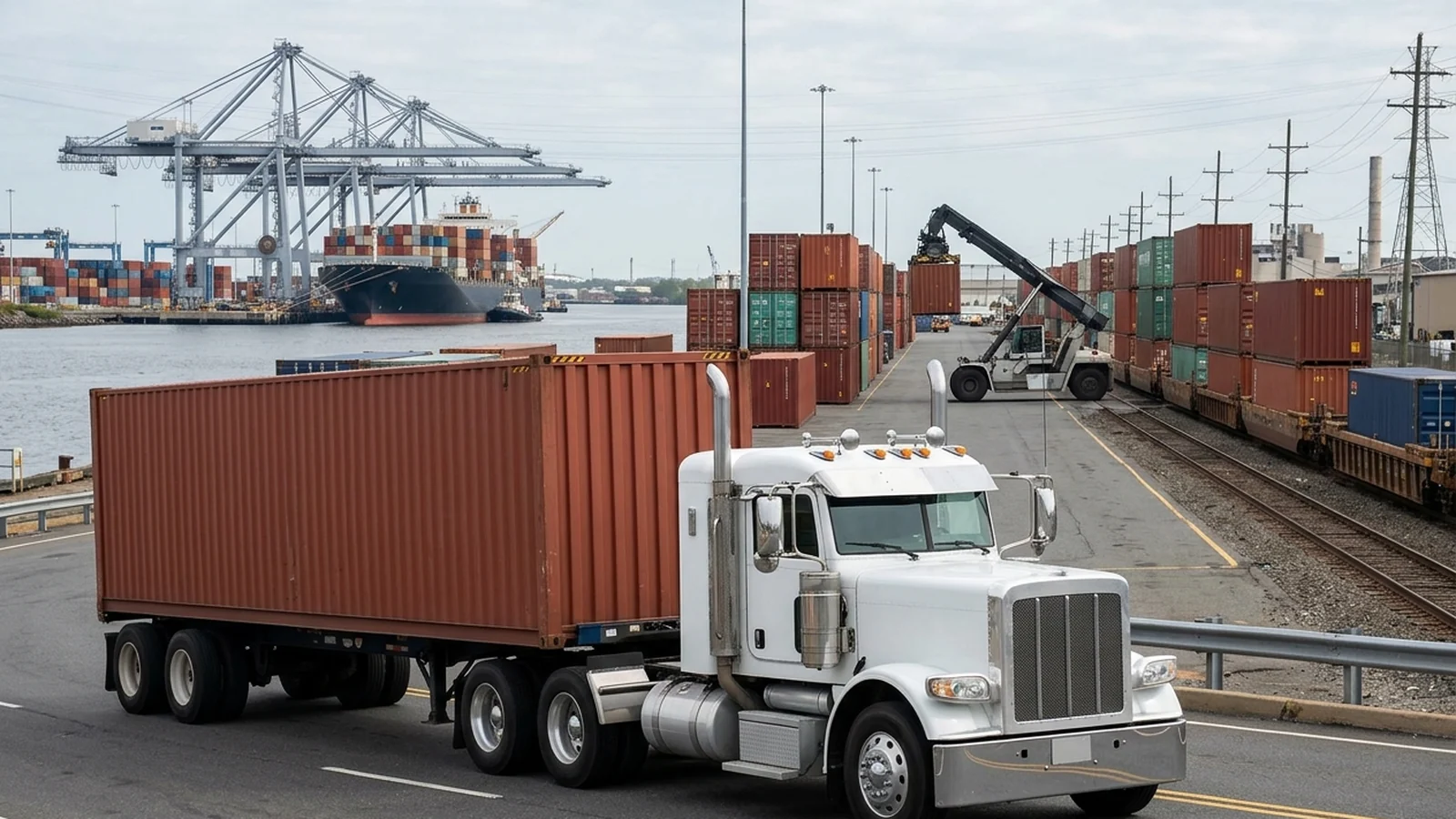
Philadelphia Container Drayage Guide: Ports, Rail & Regional Delivery
A practical guide to container drayage across the greater Philadelphia and Delaware River port and intermodal market, covering Packer Avenue, Tioga, Penn Terminals, Wilmington, Gloucester, and CSX and Norfolk Southern rail, plus carrier access, reefer and genset planning, free time, and regional delivery.
Read MoreStart the Capacity Discussion
Spartanus Cargo Systems provides container drayage, refrigerated container transportation, specialized container services, and regional freight solutions across key Mid-Atlantic and Gulf Coast markets.