Port of Gulfport Container Drayage Guide for Shippers
A practical Port of Gulfport drayage guide covering container readiness, equipment, free time, reefer freight, empty returns, and local, regional, and OTR transportation.
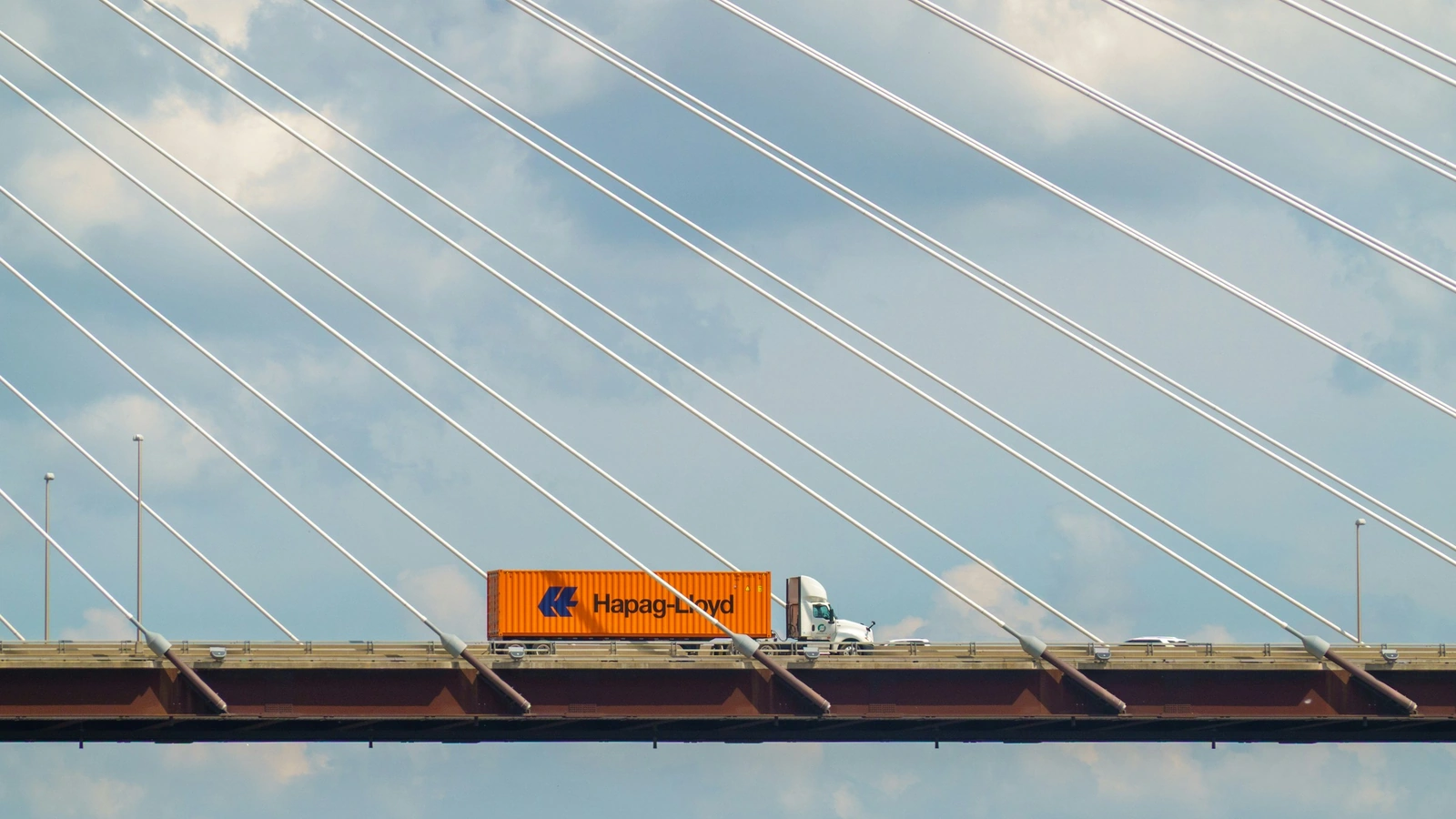
The Port of Gulfport connects Gulf maritime cargo with Mississippi and inland markets across the South. A clean container move depends on much more than the highway distance. Container readiness, terminal requirements, equipment, delivery timing, free time, weather, and the empty return all shape the plan.
This guide is for importers, exporters, produce and food companies, freight forwarders, NVOCCs, brokers, manufacturers, distributors, and logistics teams moving containers through Gulfport. It explains the operating decisions behind local drayage, regional container transportation, and OTR freight from the port.
This is operational guidance, not port, terminal, ocean-carrier, or legal advice. Gate procedures, releases, equipment arrangements, free time, charges, and return instructions can change. Confirm current requirements with the Port of Gulfport, the ocean carrier, equipment provider, and receiver involved in the shipment.
Understanding the Port of Gulfport
The Port of Gulfport is a deep-water international seaport on the northern Gulf of Mexico. The Mississippi State Port Authority describes a port with container and other cargo capabilities, nearby access to Interstate 10, Class I rail service, open storage, covered warehouse space, and ship-to-shore gantry cranes. Current facility information is available through the Port's official Facilities & Properties overview.
The port includes West Pier and East Pier facilities with different cargo and facility uses. For transportation planning, the important point is that the exact terminal or facility, carrier, cargo type, and release instructions must be confirmed. "Port of Gulfport" alone is not enough information to price or dispatch a container move accurately.
Container Readiness and Release
A vessel arrival does not make every container immediately available. Before a pickup is attempted, the operating team should confirm:
- The container has been discharged and shows available
- Customs and other holds are cleared
- The ocean carrier has released the freight
- Terminal holds and documentation requirements are satisfied
- Gate or appointment requirements are confirmed
- The correct chassis and equipment are available
- The receiving facility can accept delivery
Availability and the last free day are related but different. The last free day is a deadline, not a planning start date. Waiting until that point leaves little room to resolve a hold, locate equipment, coordinate the receiver, or adjust for severe weather.
Equipment and Chassis Planning
The equipment must match the container and the freight. A standard container, refrigerated container, or overweight container can require different chassis, power, routing, or permit planning. The ocean carrier and equipment provider may also affect where equipment is obtained and returned.
Container size, gross weight, commodity, reefer requirements, and any hazmat or overweight status should be disclosed before capacity is confirmed. That information determines whether the move can be supported safely, legally, and operationally.
Free Time and Cost Exposure
Free time is the period allowed under the applicable terminal, carrier, equipment, or contract terms before additional charges may begin. Demurrage is generally associated with a loaded container remaining at the terminal beyond its allowed time. Detention commonly involves carrier equipment remaining outside the terminal longer than allowed. Storage or related charges can also apply.
Exact definitions and amounts vary by shipment and agreement. The practical response is to track availability and the last free day, confirm the receiver, and plan the pull, unloading, and empty return before the deadline becomes urgent. See Demurrage, Detention, Free Time & Storage Explained for the broader terminology.
Refrigerated and Perishable Container Freight
Gulfport serves cargo moving through a Gulf Coast supply chain where refrigerated and perishable freight can be an important part of the mix. A reefer container move may require compatible chassis, genset or power planning, clear temperature instructions from the responsible party, and a receiver prepared for the delivery window.
Spartanus supports refrigerated container drayage in Gulfport for qualifying shipments. The transportation plan must account for the equipment, commodity, setpoint information, timing, and receiving requirements. Spartanus coordinates transportation but does not determine cargo temperature requirements or replace the responsible parties' equipment and temperature-control obligations. More detail is available in the refrigerated container drayage guide.
Local Gulfport Drayage
Gulfport local drayage covers short-haul container work between the port and nearby warehouses, yards, distribution facilities, and customer locations. The equipment cycle is shorter than a regional or OTR move, but release, gate, receiver, and return requirements still have to be coordinated.
Local drayage can also include pre-pulls, yard positioning, container repositioning, chassis moves, and qualifying reefer shuttle work when the equipment and capacity are available.
Regional Container and Flatbed Transportation
Gulfport regional transportation includes container transportation and qualifying flatbed freight. Regional container lanes can reach 550+ miles one way from the port where the terminal cycle, equipment, timing, route, and return plan are workable.
Regional flatbed is a separate service for qualifying open-deck freight. It is planned around dimensions, weight, equipment, loading method, securement, routing, and permits where applicable. Container freight should not be treated like ordinary one-way linehaul because the empty return and chassis cycle remain part of the work.
OTR Transportation from Gulfport
For qualifying freight beyond Gulfport's normal regional operating range, Gulfport OTR transportation includes container and flatbed service. OTR is not defined by a single mileage number; it is the long-haul layer for lanes that extend beyond the market-centered regional operation.
Every OTR container request still begins and ends with the container cycle. Terminal pickup, delivery, unloading, empty return, equipment time, route, and driver hours all have to be evaluated together.
Planning container freight through Gulfport?
Send Spartanus Cargo Systems the port facility, container size, destination, commodity, weight, timing, equipment requirements, and expected volume so the complete move and current capacity can be reviewed.
Request a QuoteSevere Weather and Gulf Coast Planning
Tropical systems and severe weather can affect port conditions, road access, appointments, warehouse schedules, and equipment positioning. The Port of Gulfport maintains official port-status and weather information during potential Gulf weather events.
Shippers should avoid relying on assumptions during an active weather event. Confirm the port's current status, the receiver's operating condition, road restrictions, and available capacity before dispatch. A safe pause is better than building a plan around outdated operating information.
Hazmat and Overweight Containers
Spartanus supports qualifying hazmat and overweight container transportation in Gulfport when the shipment, driver, equipment, documentation, routing, permit, and carrier requirements can be met.
Hazardous materials must be disclosed at the quote stage. Overweight freight requires the gross weight early enough to review chassis configuration, axle loading, legal routing, and permits where applicable. The related authority pages explain hazmat container transportation and overweight container transportation.
Empty Return and Equipment Closeout
Delivery is not the end of the container move. After unloading, the empty normally must be returned to the location designated by the ocean carrier or equipment provider. That location may differ from the pickup point, and acceptance instructions can change.
The empty return affects driver time, chassis use, mileage, and detention exposure. It belongs in the original rate and dispatch plan, not in a conversation that starts after the cargo is unloaded.
Information to Provide for a Gulfport Drayage Quote
A useful Gulfport request includes:
- Exact terminal or port facility
- Import or export direction
- Container size and type
- Container number or booking when available
- Delivery or pickup address and ZIP code
- Commodity and gross weight
- Refrigerated, hazmat, or overweight requirements
- Availability, holds, last free day, or cutoff
- Receiver or shipper hours and appointment requirements
- Empty-return instructions if known
- Ready date, delivery window, and expected volume
The more complete the information, the more accurately the full move can be reviewed. For current service information, visit the Gulfport market page, or request a quote with the complete lane and equipment requirements.
Related Insights
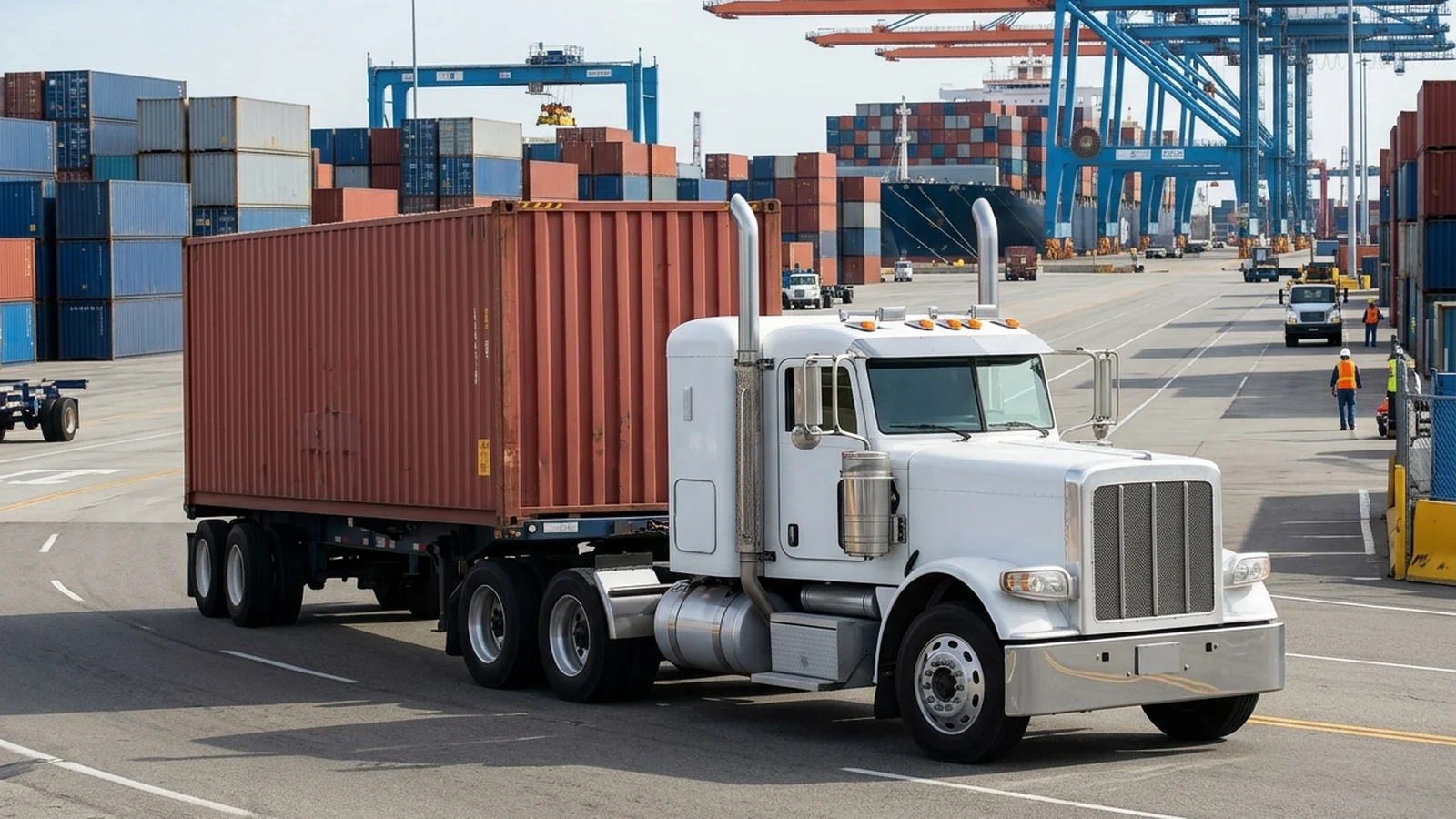
Container Drayage Explained: Import, Export, Chassis, Free Time & Empty Returns
A practical guide to container drayage for importers, exporters, brokers, and logistics teams, covering terminal pulls, chassis, appointments, free time, empty returns, and the details that keep containers moving.
Read MoreRegional Container Transportation: When Drayage Goes Beyond the Local Market
A practical guide to regional container transportation for shippers and logistics teams: how regional container drayage differs from local port moves, when longer container moves make sense, and how availability, chassis, receiver timing, and empty return change as distance grows.
Read More
Planning for the Perishable Season Starts Before the First Container Arrives
Perishable season success starts with planning. Learn how importers, brokers, and logistics teams can prepare refrigerated container drayage capacity before peak season begins.
Read MoreStart the Capacity Discussion
Spartanus Cargo Systems provides container drayage, refrigerated container transportation, specialized container services, and regional freight solutions across key Mid-Atlantic and Gulf Coast markets.