Port of Baltimore Container Drayage Guide for Shippers
A practical guide to Port of Baltimore container drayage, including Seagirt, releases, chassis, appointments, free time, specialized freight, and local, regional, and OTR planning.
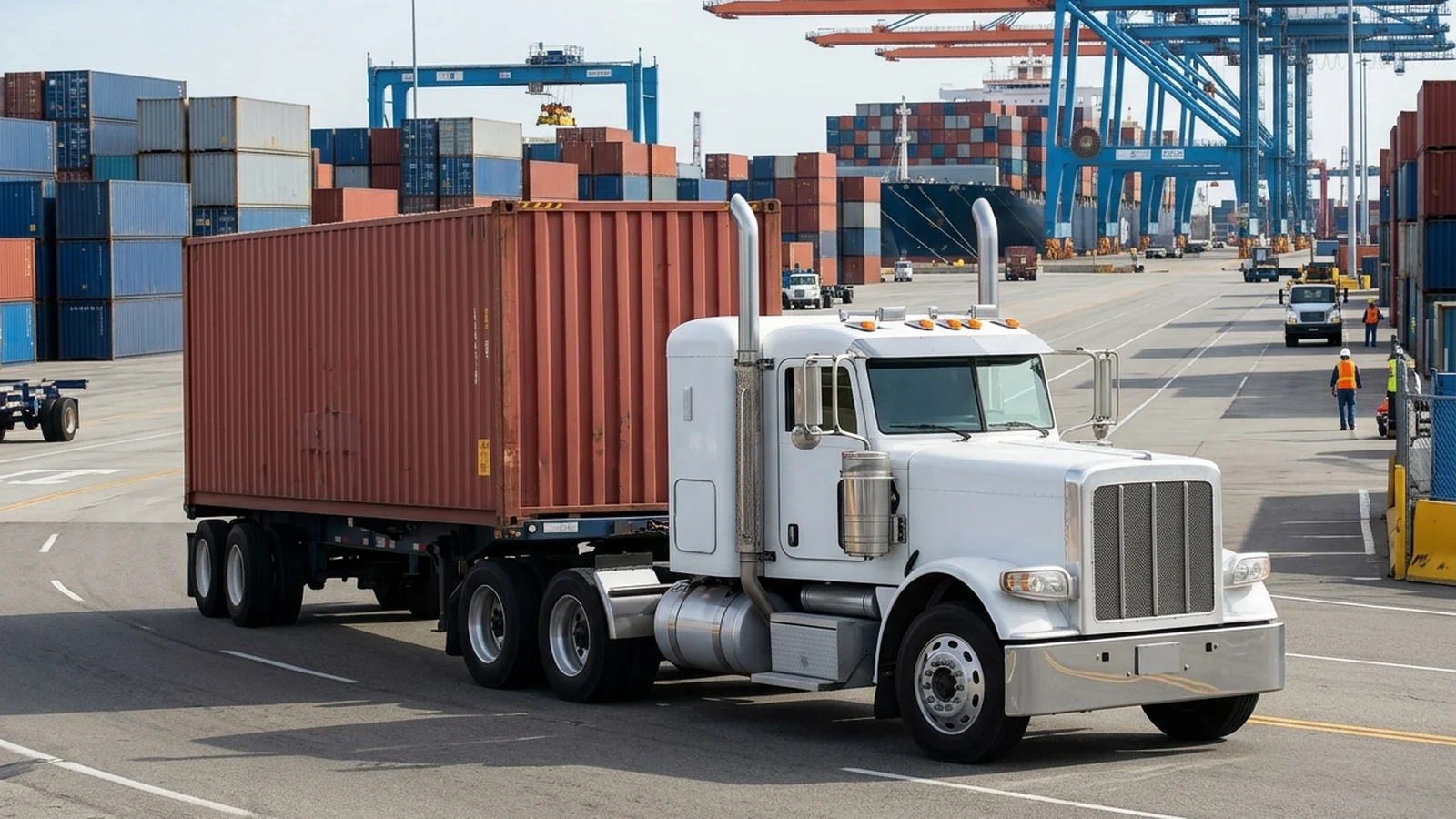
Container drayage through Baltimore is a complete operating cycle, not simply a truck ride from the port to a warehouse. Before a container can move, the shipment, terminal, releases, chassis, appointment or gate requirements, receiving schedule, route, and empty return all have to line up.
This guide is for importers, exporters, freight forwarders, NVOCCs, customs brokers, manufacturers, distributors, and logistics teams moving containers through the Port of Baltimore. It explains the main planning decisions behind a clean move and how local drayage, regional container transportation, and OTR container transportation fit together.
This is operational guidance, not terminal policy or legal advice. Terminal procedures, ocean-carrier requirements, equipment arrangements, gate systems, free time, and empty-return instructions can change. Confirm the current requirements for the specific container with the terminal, ocean carrier, equipment provider, and receiver.
Understanding Baltimore's Container Gateway
Seagirt Marine Terminal is the Port of Baltimore's principal public container terminal. The Maryland Port Administration describes Seagirt as a container facility with deep-water berths, direct access to the adjacent Intermodal Container Transfer Facility, and nearby connections to major interstate corridors. Current facility facts are available through the Maryland Port Administration's Seagirt Marine Terminal overview.
Dundalk Marine Terminal is a large multipurpose cargo facility handling containers alongside automobiles, roll-on/roll-off equipment, breakbulk, project cargo, and other freight. Its operating requirements can differ from Seagirt because the facilities serve different cargo mixes. The Maryland Port Administration's Dundalk overview provides current facility context.
For a drayage provider, "Port of Baltimore" is not a complete pickup instruction. The exact terminal, container, carrier, release status, equipment requirement, and return location determine how the move is planned.
What Must Happen Before an Import Pickup
A container can be physically discharged and still not be ready for pickup. The normal pre-pickup review includes:
- Container availability in the terminal system
- Customs and other government holds cleared
- Ocean-carrier freight release
- Terminal holds cleared
- Delivery order or release documentation where required
- Appointment or gate requirements confirmed
- Correct chassis and equipment available
- Receiver date and time confirmed
The last free day should be tracked early, but it should not be treated as the day to begin planning. A container approaching its deadline may still need a release, equipment, a workable gate window, a receiver, and an empty-return plan.
Chassis and Equipment Planning
The chassis must match the container size, weight, and operating requirements. A standard dry container, refrigerated container, and overweight container may require different equipment planning. Availability can also depend on the ocean carrier, chassis provider, terminal, and timing.
The safest approach is to disclose the container size, gross weight, commodity, reefer requirements, and any known hazmat or overweight status before capacity is committed. Discovering an equipment mismatch at the gate wastes the appointment window and can put the shipment closer to free-time exposure.
Terminal and Receiver Timing
The port gate is only one side of the schedule. The receiving facility may have its own appointment system, limited hours, live-unload rules, drop requirements, or restrictions on early arrivals.
A workable Baltimore drayage plan connects terminal access to the receiver's actual availability. If the container must be pulled before the receiver can take it, a pre-pull or staging option may need to be reviewed. Staging is subject to space, equipment, commodity, reefer-power, hazmat, and capacity requirements and should never be assumed.
Free Time, Demurrage, Detention, and Storage
Free time is the allowed period before additional charges may begin under the applicable terminal, carrier, equipment, or contract terms. Demurrage is generally associated with a loaded container remaining at the terminal beyond its allowed time, while detention commonly involves equipment remaining outside the terminal longer than allowed. Storage and other charges can also apply depending on the situation.
The exact definitions, clocks, and amounts vary. The practical lesson is to confirm the container's current last free day and equipment time, then plan the pickup, delivery, unloading, and return as one sequence. For a fuller explanation, see Demurrage, Detention, Free Time & Storage Explained.
Local Baltimore Drayage
Baltimore local drayage covers short-haul container work between the marine terminal or qualifying rail facility and nearby warehouses, distribution centers, yards, and customer facilities. These moves are built around a relatively short equipment cycle and a timely empty return.
Local does not mean simple. Releases, appointments, chassis, receiver hours, and return instructions still control whether the move can be completed cleanly.
Regional Container Transportation from Baltimore
Baltimore regional transportation extends beyond the immediate local port market. Spartanus supports qualifying regional container lanes reaching 550+ miles one way from the port where the terminal cycle, lane, equipment, timing, and empty return are commercially and operationally workable.
Longer container moves magnify small planning errors. Receiver timing, driver hours, chassis use, routing, tolls, weather, and the return leg carry more weight as distance grows. Regional freight should be planned around the full round-trip container cycle rather than only the loaded mileage.
OTR Container and Flatbed Transportation
For qualifying long-haul freight beyond Baltimore's normal regional operating range, Baltimore OTR transportation includes container transportation and qualifying flatbed freight. OTR is not defined by one rigid mileage threshold; it is a separate planning layer based on the long-haul lane and equipment cycle.
Container and flatbed moves are not interchangeable. OTR containers retain the terminal, chassis, appointment, and empty-return requirements of container freight. Flatbed freight is planned around dimensions, weight, equipment, loading, securement, routing, and permits where applicable.
Planning container freight through Baltimore?
Send Spartanus Cargo Systems the terminal, container size, destination, commodity, weight, timing, equipment requirements, and expected volume so the complete move and current capacity can be reviewed.
Request a QuoteRefrigerated, Hazmat, and Overweight Containers
Spartanus supports qualifying refrigerated, hazmat, and overweight container transportation in Baltimore, but each service adds its own planning requirements.
- Refrigerated containers may require compatible chassis, genset or power planning, shipper-provided temperature instructions, and a receiver prepared for time-sensitive freight. This is different from refrigerated trailer transportation.
- Hazmat containers require the shipment to be disclosed accurately so driver, equipment, documentation, routing, terminal, and carrier requirements can be reviewed.
- Overweight containers require early weight disclosure so chassis, axle loading, routing, and permits where applicable can be evaluated before dispatch.
These requirements should be part of the initial quote request, not added after equipment is assigned. The related authority pages cover refrigerated container drayage, hazmat container transportation, and overweight container transportation.
Empty Return Is Part of the Move
The job does not end when the cargo is delivered. The empty container normally has to go to the location designated by the ocean carrier or equipment provider, and that location may differ from the pickup terminal. Instructions can change, and a location may restrict acceptance for a particular container or chassis type.
The return affects mileage, equipment time, driver hours, and the final cost of the move. It should be confirmed and monitored as part of the original plan.
Information to Provide for a Baltimore Drayage Quote
A useful Baltimore request includes:
- Exact terminal or rail facility
- Import or export direction
- Container size and type
- Container number or booking when available
- Delivery or pickup address and ZIP code
- Commodity and gross weight
- Refrigerated, hazmat, or overweight requirements
- Current availability, holds, last free day, or cutoff
- Receiver or shipper appointment requirements
- Empty-return instructions if known
- Ready date, requested timing, and expected volume
Complete information allows the full move to be reviewed before a truck is committed. For current Baltimore service and capacity, visit the Baltimore market page or request a quote.
Related Insights
Container Drayage Explained: Import, Export, Chassis, Free Time & Empty Returns
A practical guide to container drayage for importers, exporters, brokers, and logistics teams, covering terminal pulls, chassis, appointments, free time, empty returns, and the details that keep containers moving.
Read More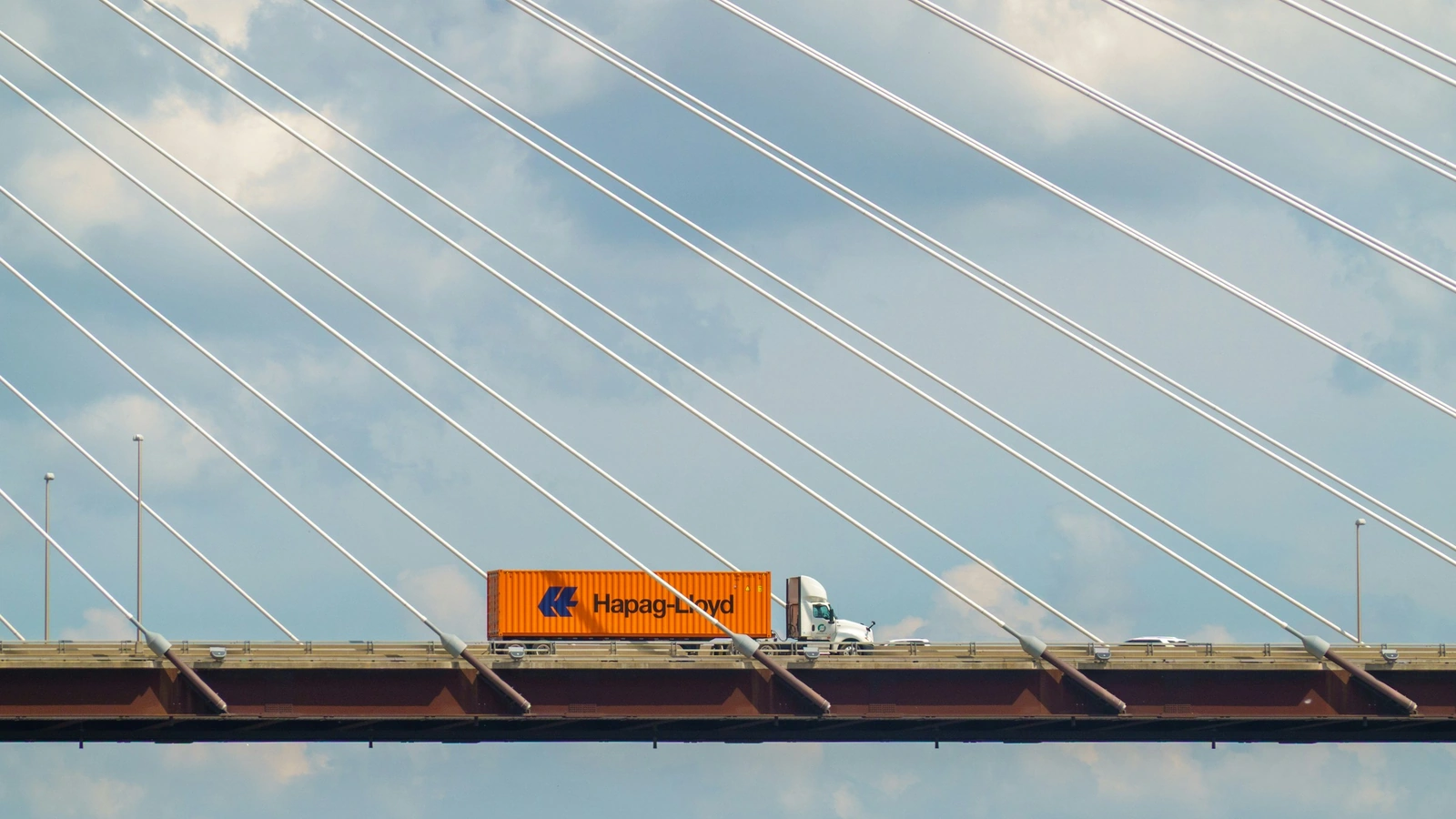
Regional Container Transportation: When Drayage Goes Beyond the Local Market
A practical guide to regional container transportation for shippers and logistics teams: how regional container drayage differs from local port moves, when longer container moves make sense, and how availability, chassis, receiver timing, and empty return change as distance grows.
Read More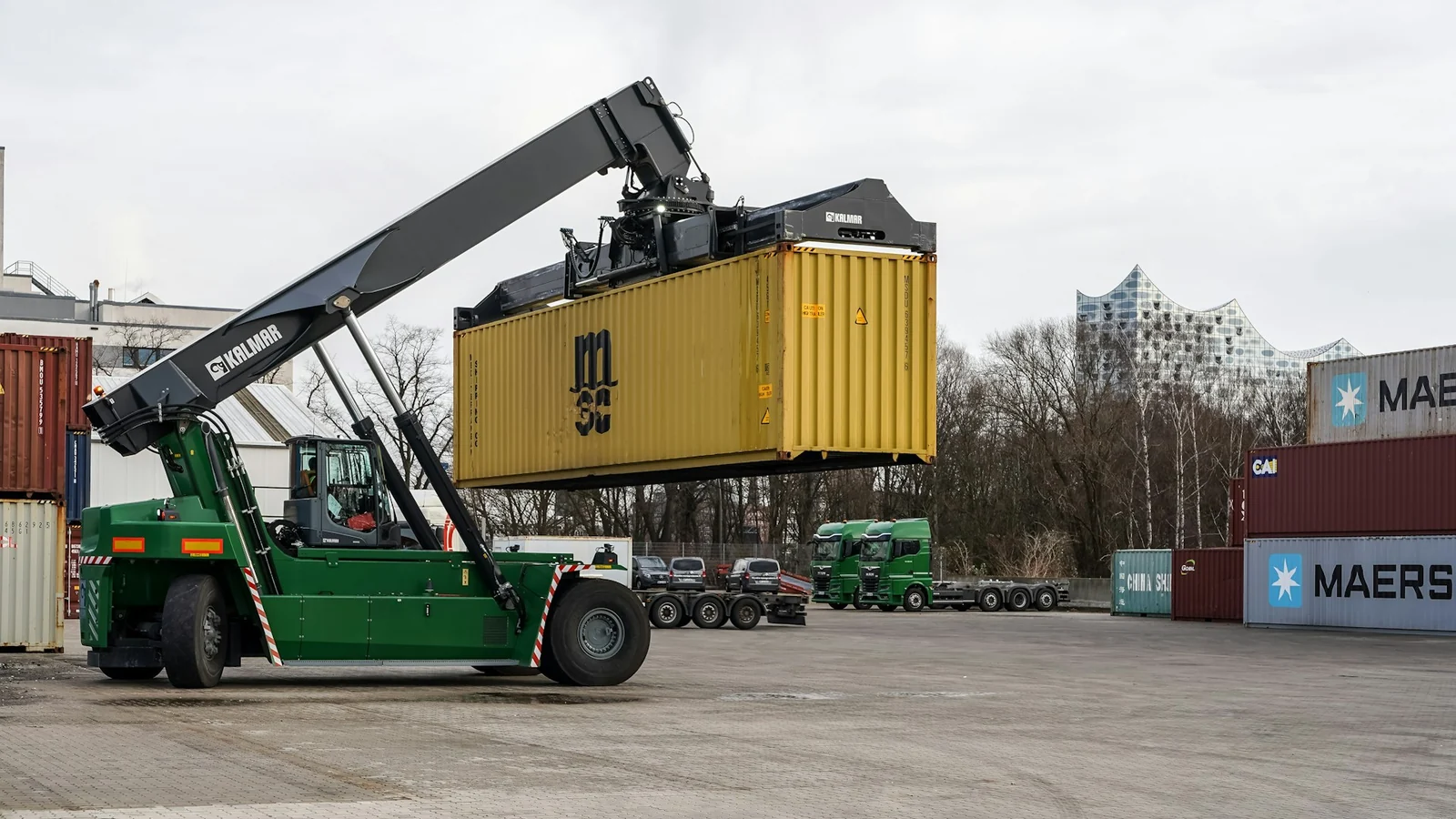
Import Container Drayage Checklist: From Arrival Notice to Empty Return
A practical, step-by-step import container drayage checklist for importers and logistics teams, from arrival notice and release through last free day, chassis, pickup, delivery, and empty return, with a printable summary and common mistakes to avoid.
Read MoreStart the Capacity Discussion
Spartanus Cargo Systems provides container drayage, refrigerated container transportation, specialized container services, and regional freight solutions across key Mid-Atlantic and Gulf Coast markets.